Mehmet Sandikci

Mehmet Sandikci

Gıda Mühendisi. Gıda biyokimyası, fonksiyonel gıdalar, mikrobiyolojik güvenlik ve kanıta dayalı beslenme bilimi üzerine araştırmalar yürütüyor; halk sağlığı ve tüketici farkındalığı için teknik analizler kaleme alıyor.

Microencapsulation Technology: Shielding Probiotics and Bioactives via Spray Drying and Core-Shell Matrices

The primary hurdle in functional food formulation involves the severe vulnerability of bioactives (viable probiotic consortia, marine polyunsaturated fatty acids, fragile polyphenols) to environmental stresses (thermal processing, oxygen exposure, photo-oxidation) and harsh gastrointestinal frontiers (gastric hydrochloric acid pH 1.5, pepsin,…
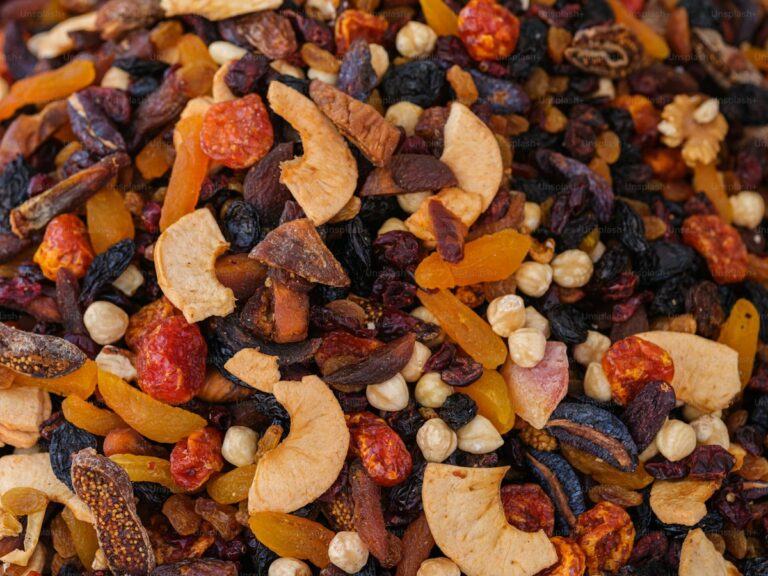

Food Drying Kinetics and Lyophilization (Freeze-Drying): Sublimation Thermodynamics and Porous Matrix Preservation

In food process engineering, dehydration reduces water activity (a_w) below critical thresholds (a_w < 0.60) where microbial proliferation ceases and enzymatic degradation decelerates. Traditional hot-air convective drying drives liquid water vaporization, generating liquid capillary surface tension forces that induce catastrophic…

Modified Atmosphere Packaging (MAP): Gas Mixture Dynamics, Respiration Rates, and Shelf-Life Engineering

Primary mechanisms governing food deterioration involve aerobic bacterial proliferation, polyunsaturated lipid auto-oxidation, and post-harvest respiration kinetics in fresh horticultural tissues. Modified Atmosphere Packaging (MAP) constitutes an advanced bio-packaging discipline wherein normal atmospheric headspaces (sim 78% N_2, 21% O₂, 0.04% CO₂)…

Non-Thermal Preservation Technology: High Hydrostatic Pressure (HPP) and Cellular Inactivation Physics

Consumer market demands for clean-label formulation, absence of chemical preservatives, and uncompromised nutrient retention have accelerated the commercial maturation of non-thermal preservation technologies. Among these, High Hydrostatic Pressure (HPP, historically designated Pascalization) represents the premier industrial success. By subjecting pre-packaged…

Thermal Process Engineering: D, z, and F-Value Calculation Models in Pasteurization and Sterilization

In canning and aseptic food engineering, microbial lethality is governed by the thermodynamics of irreversible heat-induced denaturation of functional cellular enzymes, structural proteins, and endospore peptidoglycan coats. Insufficient thermal processing risks catastrophic botulinum toxin synthesis; conversely, excessive thermal dwell induces…

EN TR