
Consumer market demands for clean-label formulation, absence of chemical preservatives, and uncompromised nutrient retention have accelerated the commercial maturation of non-thermal preservation technologies. Among these, High Hydrostatic Pressure (HPP, historically designated Pascalization) represents the premier industrial success. By subjecting pre-packaged foods to pressures spanning 300 to 600 MPa (3000 – 6000 bar) transmitted via fluid vectors, HPP inactivates vegetative pathogens while leaving primary covalent chemical structures entirely intact.
1. Introduction: Isostatic Principle and Le Chatelier Mechanics
The physical foundations of HPP rest upon two biophysical axioms: (1) The Isostatic Principle: Pressure propagates instantaneously and quasi-uniformly throughout the processing vessel irrespective of product geometry or volume; food matrices undergo zero shear deformation or physical squashing. (2) Le Chatelier Principle: Elevated hydrostatic reg× thermodynamically drive events that reduce system volume (ΔV < 0). Consequently, non-covalent interactions (hydrophobic bonds, electrostatic salt bridges, and hydrogen networks) are disrupted, whereas short-range covalent bonds remain unperturbed.
2. Technical Analysis: Membrane Phase Transitions, Enzyme Kinetics, and Case Studies
Under 400-600 MPa conditions, microbial phospholipid bilayers undergo forced liquid-crystalline to gel-phase transitions. Membrane packing density surges, disabling transmembrane ion pumps (Na⁺/K⁺ -ATPase) and destabilizing quaternary protein complexes. Irreversible membrane permeabilization triggers cellular cytoplasmic leakage and cell lysis. Conversely, low-molecular-weight nutrients—such as ascorbic acid, anthocyanins, and volatile terpene aromas—are preserved intact.
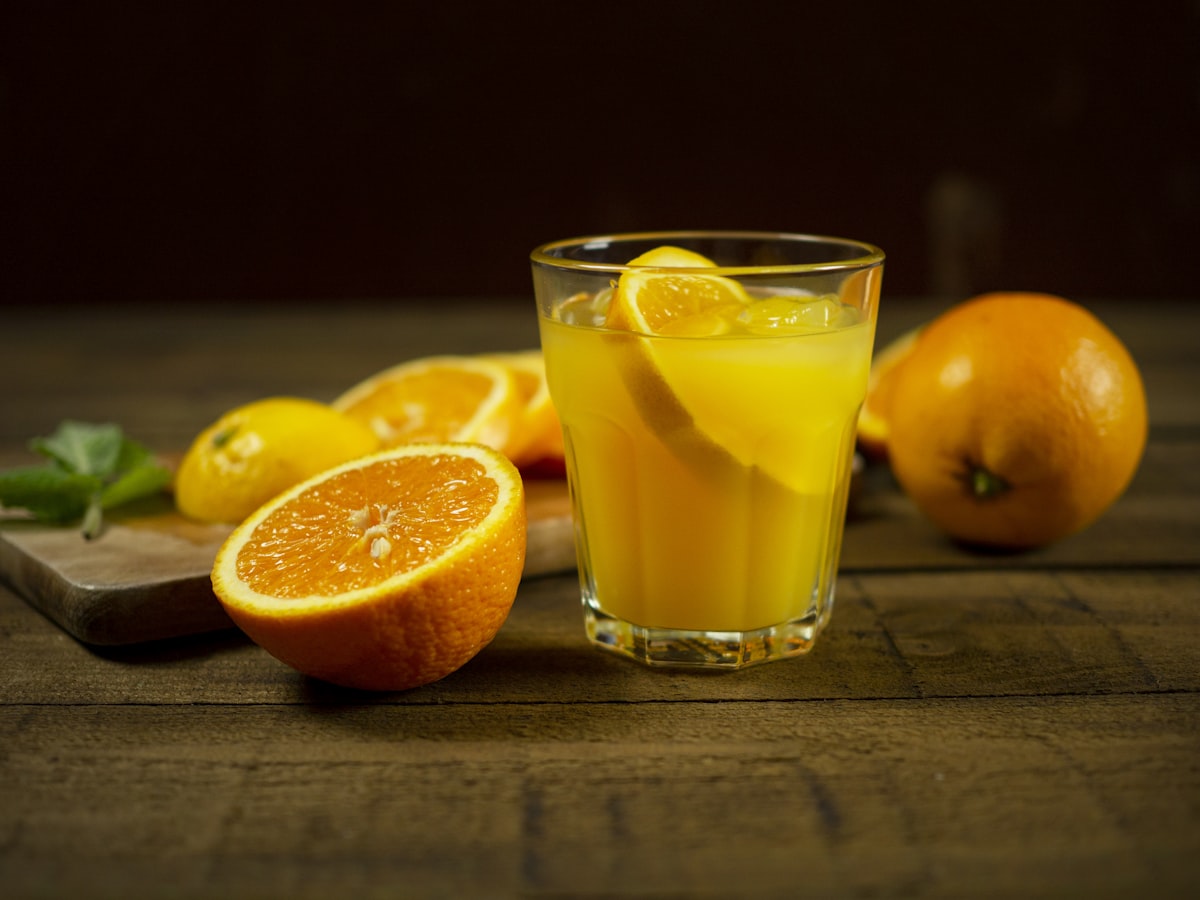
Cold-Pressed Beverage Engineering Case Study: Thermal pasteurization of fresh orange juice (85°C for 15 s) oxidizes 15% to 25% of native L-ascorbic acid and generates burnt sulfurous off-notes via furfural synthesis. Commercial HPP intervention (500 MPa held for 180 seconds at ambient 15°C) achieves an accredited 5-log lethal reduction in Salmonella enterica and pathogenic E. coli, while retaining 100% of native vitamin C and extending chilled distribution shelf-life to 60 days. In high-fat plant matrices (avocado guacamole), 600 MPa conditions irreversibly denature polyphenol oxidase (PPO), arresting enzymatic browning for over 30 days without bisulfite addition.
| Processing Modality | Operating Regimes | Impact on Covalent Bonds | Micronutrient & Sensory Preservation | Target Inactivation Spectrum |
|---|---|---|---|---|
| Thermal Pasteurization | 0.1 MPa / 72 – 85°C | Heat-labile covalent bonds cleaved | Moderate (15% – 30% vitamin/aroma loss) | Vegetative bacteria, yeasts, vegetative molds |
| High Hydrostatic Pressure (HPP) | 300 – 600 MPa / 4 – 20°C | Covalent architecture unperturbed | Superior (95% – 100% fresh identity) | Vegetative pathogens, yeasts (Endospores resist) |
| Thermal UHT Sterilization | 0.3 MPa / 135 – 145°C | Extensive molecular rearrangements | Low (Maillard browning, caramelization) | All vegetative cells and bacterial endospores |
3. Conclusion: Engineering Takeaways and Technological Bottlenecks
The primary technological constraint in HPP processing is the extraordinary resistance of bacterial endospores (such as Clostridium botulinum spores), which tolerate 600 MPa without germination loss. Therefore, commercial HPP requires acid formulation barriers (pH < 4.6 in clean juices) or unbroken refrigerated supply chains (+4°C). From a packaging perspective, containers must consist of flexible, high-barrier polymers (e.g., EVOH, mono-PET) accommodating up to 15% reversible adiabatic volumetric compression; rigid glass and metallic cans shatter catastrophically inside high-pressure vessels.