
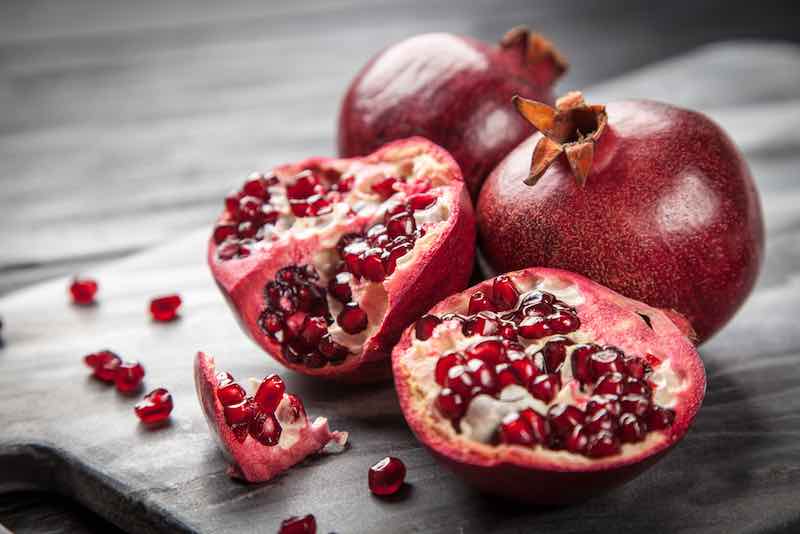
Punica granatum L. (pomegranate) is scientifically recognized as the preeminent natural matrix of high-molecular-weight hydrolyzable tannins, specifically ellagitannins. While the edible seeds (arils) supply anthocyanins and organic acids, the industrial extraction of whole fruit introduces massive quantities of punicalagin anomers (alpha and β) derived from pericarp and mesocarp tissues into the aqueous juice. Through a food engineering lens, pomegranate serves as an exquisite paradigm of raw material extraction efficiency and downstream gut microbial metabolite biotransformation.
1. Introduction: Phytochemical Anatomy of Pomegranate and Punicalagin Chemistry
Comprising over 80% of total pomegranate polyphenols, punicalagins (C₄₈H₂₈O₃₀, molecular weight 1084.7 g/mol) represent colossal ellagitannin polyphenols. Highly hydrophilic, these complex tannins resist intact passive paracellular absorption across intestinal brush border membranes. In the gastric and proximal jejunal environments, punicalagins undergo progressive hydrolytic release of free ellagic acid. Crucially, the ultimate physiological efficacy is achieved in the distal colon through anaerobic microbial dehydroxylation into bioactive urolithins (principally Urolithin A).
2. Technical Analysis: Urolithin A Bioconversion, Mitophagy, and Vascular Endothelial Protection
The bioconversion of ellagitannins into urolithins is contingent upon individual human gut microbiome composition (stratified into Metabotypes A, B, and 0). Individuals colonized with commensal *Gordonibacter urolithinfaciens* and *Ellagibacter isohannegrenseae* generate substantial Urolithin A, which circulates systemically and induces selective mitochondrial clearance and cellular recycling (mitophagy).
Extraction Engineering Case Study: In commercial processing, the pressure profile applied within pneumatic membrane presses establishes the final biochemical identity of the juice. Simple aril de-seeding extraction yields modest punicalagin titers of 500 to 800 mg/L. Controlled pressing of whole fruit with intact rinds liberates pericarp ellagitannins, elevating punicalagin titers to 2000 – 3500 mg/L. To prevent excessive astringency from concurrent bitter tannins, food engineers execute controlled gelatin fining and cross-flow ultrafiltration, precisely balancing high bioactive polyphenol loading with consumer palatability.
| Botanical Fraction | Dominant Bioactive Matrix | Molecular / Physiological Target | Industrial Vector |
|---|---|---|---|
| Fruit Pericarp (Peel) | alpha/β -Punicalagin, Granatins | High ROS scavenging, broad antimicrobial | Nutraceutical standardized extracts |
| Aril Juice Matrix | Delphinidin, cyanidin, ellagic acid | Endothelial nitric oxide synthase (eNOS) activation | Functional cold-pressed beverages |
| Seed Kernel Lipid | Punicic acid (C18:3 conjugated omega-5) | PPAR- gamma nuclear receptor agonism | Cosmeceuticals, specialty functional lipid softgels |
3. Conclusion: Engineering Takeaways and Quality Standards
Every anatomical component of pomegranate delivers specialized biochemical value. When sourcing pomegranate products for health benefits, authentic whole-pressed, clarified juice is technically superior to aril-only processing because the pericarp serves as the primary reservoir for punicalagins. Commercial imitation “pomegranate syrups” compounded from glucose-fructose syrup and caramel color contain zero ellagitannins; consumers should strictly select 100% pure authentic pomegranate juice or vacuum-condensed real pomegranate molasses.