Glycemic Index vs. Glycemic Load: Engineering Smarter Carbohydrate Nutrition
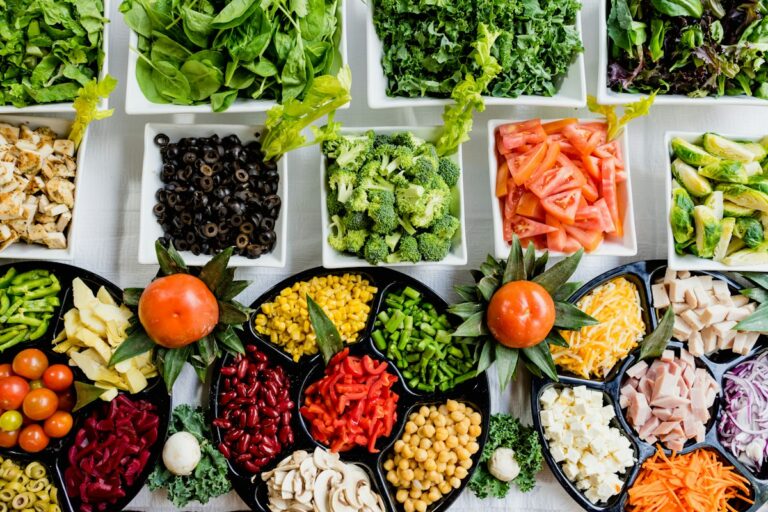
Why food matrix integrity, soluble fibers, and retrograded starch dictate postprandial glucose dynamics far beyond simple calorie counts.

Why food matrix integrity, soluble fibers, and retrograded starch dictate postprandial glucose dynamics far beyond simple calorie counts.
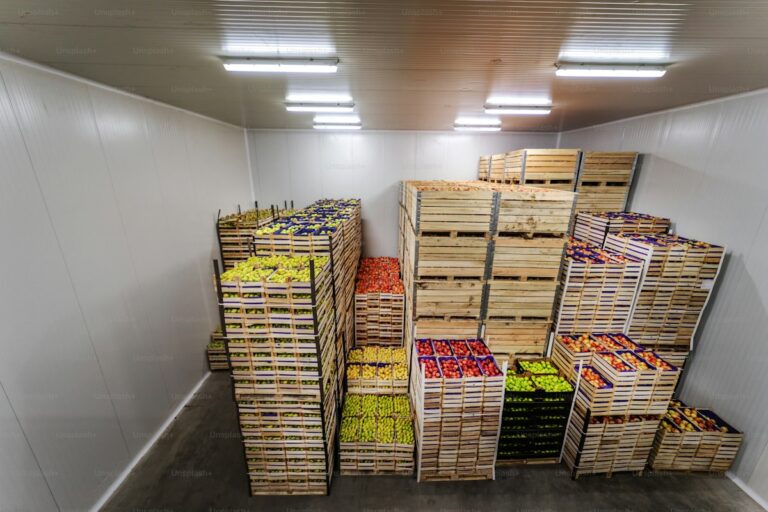
Controlling psychrotrophic pathogens and enzymatic decay: Temperature monitoring protocols across logistics and domestic kitchens.
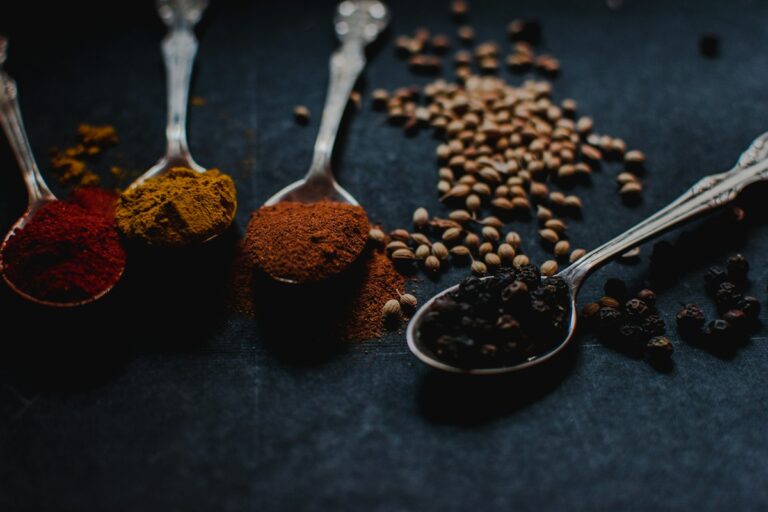
Solving curcumin's hydrophobic dilemma: How piperine and phospholipid complexes turn dietary turmeric into a potent therapeutic tool.

Exploring the biochemistry of epigallocatechin-3-gallate (EGCG): Autophagy activation, mitochondrial protection, and brewing thermodynamics.

Boiling vegetables can deplete up to 70% of water-soluble vitamins into the discard water. How to leverage culinary food science to retain nutritional value.
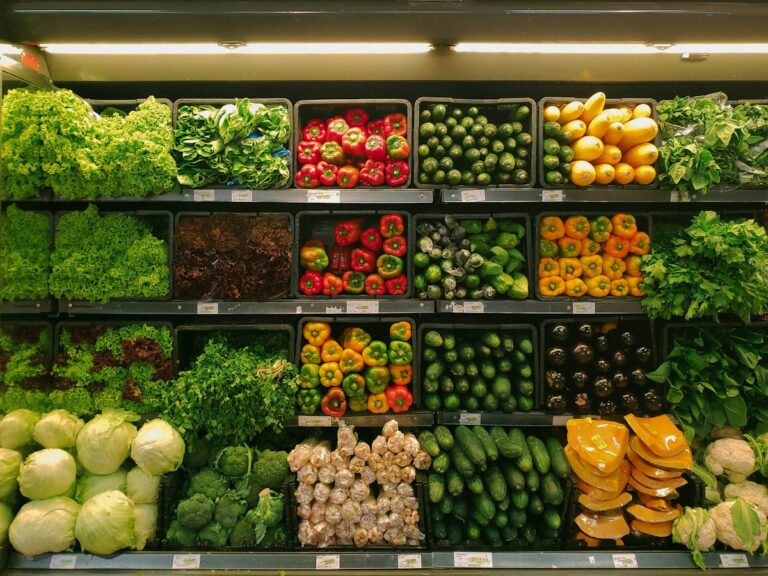
Demystifying food additives: The European safety evaluation framework, Acceptable Daily Intake (ADI), and chemical reality vs chemophobia.
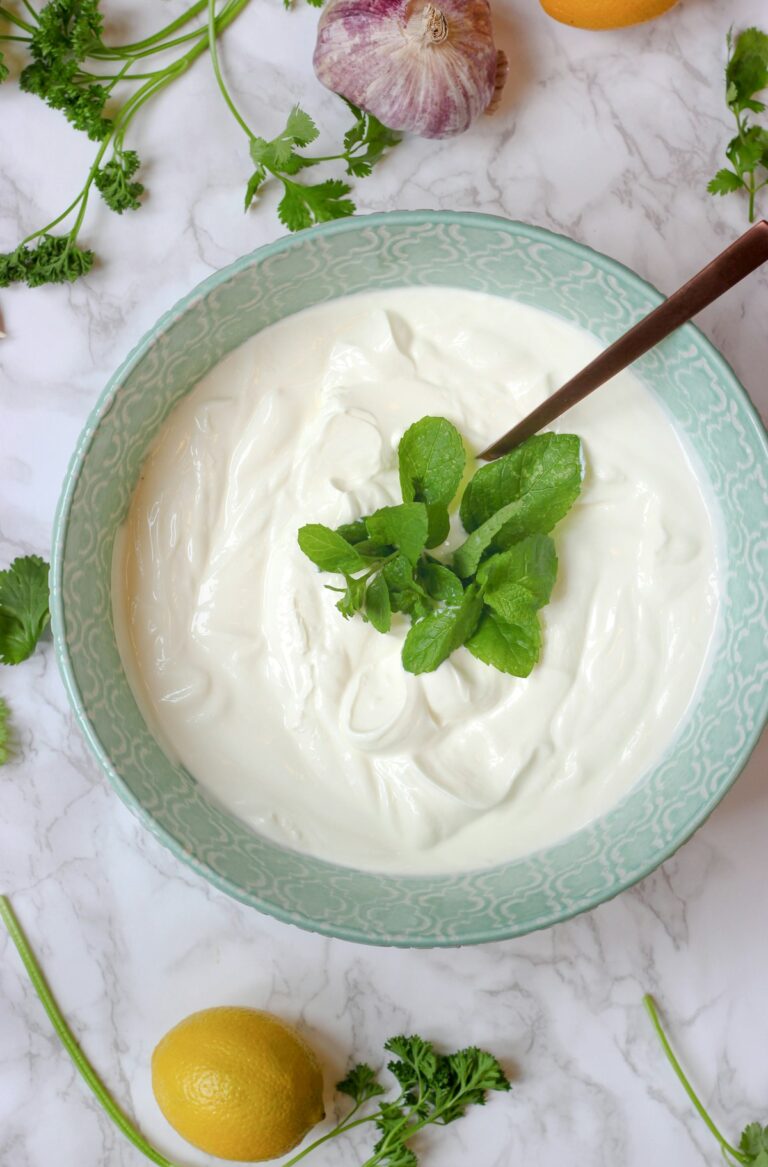
Ancient microbial biotechnology meets modern immunology: How lactic acid fermentation reshapes gut ecology and digestive wellness.

Extra virgin olive oil's extraordinary health benefits stem from biophenols like oleocanthal and hydroxytyrosol. A food engineering perspective on cold-press standards.
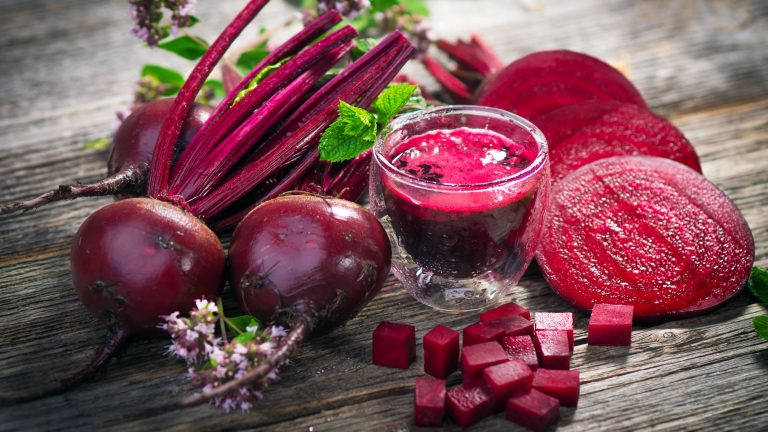
Beta vulgaris L. (red beetroot) occupies a unique niche across food technology and exercise physiology by operating through dual biochemical axes. On one hand, it synthesizes nitrogenous heterocyclic betalain pigments (which replace anthocyanins in the order Caryophyllales as potent free…
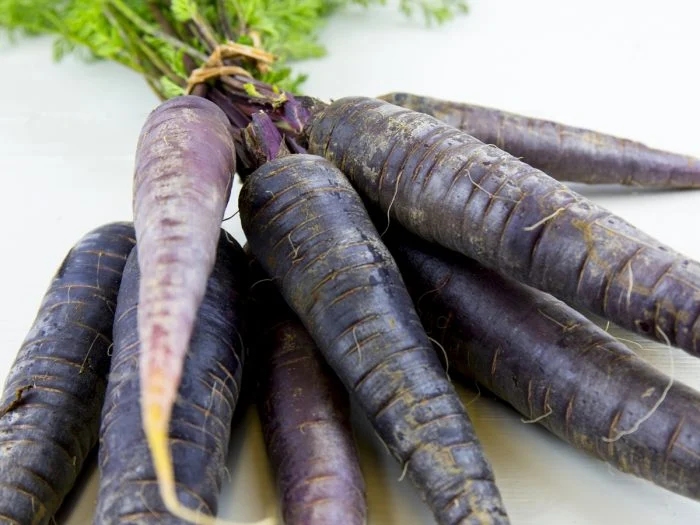
As global consumer demand converges toward clean-label formulation and natural food colorants, Daucus carota L. ssp. sativus var. atrorubens (black/purple carrot) emerges as an exceptional industrial biomaterial. Cultivated across the Mediterranean basin and traditionally utilized in Anatolia as the primary…