Category Food Technology & Innovation

Novel food processing, sustainable ingredients, and modern food engineering.

Aseptic Packaging and UHT Processing: Sterility Assurance Level (SAL), Thermal Dwell, and Cleanroom Dynamics
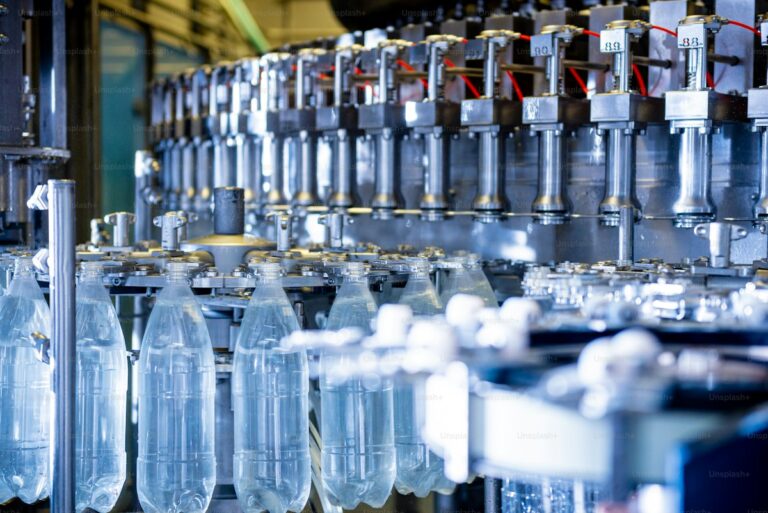
Thermal preservation historically subjected products to prolonged in-container retort batch sterilization (115-121°C for 20-40 minutes), incurring heavy sensory and nutritional degradation. Aseptic processing and packaging circumvents this quality penalty by decoupling product sterilization from packaging decontamination: fluid food undergoes rapid…


Membrane Separation Technologies: Microfiltration, Ultrafiltration, and Reverse Osmosis in Food Fractionation

Liquid concentration and purification across food manufacturing have historically relied upon multi-stage vacuum evaporation. However, high latent heat of vaporization requirements and thermal degradation risks have accelerated the transition toward pressure-driven membrane separation systems. By segmenting process streams based on…

Supercritical Fluid Extraction (SFE): Carbon Dioxide (scCO₂) Isolation of Bioactive Lipids and Phase Thermodynamics

Conventional liquid solvent extractions (hexane, acetone, ethanol) increasingly face regulatory stringency due to volatile organic compound emissions, substantial evaporative energy penalties, and downstream chemical residues. Supercritical Fluid Extraction (SFE) circumvents these thermodynamic bottlenecks by exploiting carbon dioxide (scCO₂) held above…

Food Drying Kinetics and Lyophilization (Freeze-Drying): Sublimation Thermodynamics and Porous Matrix Preservation

In food process engineering, dehydration reduces water activity (a_w) below critical thresholds (a_w < 0.60) where microbial proliferation ceases and enzymatic degradation decelerates. Traditional hot-air convective drying drives liquid water vaporization, generating liquid capillary surface tension forces that induce catastrophic…

Modified Atmosphere Packaging (MAP): Gas Mixture Dynamics, Respiration Rates, and Shelf-Life Engineering

Primary mechanisms governing food deterioration involve aerobic bacterial proliferation, polyunsaturated lipid auto-oxidation, and post-harvest respiration kinetics in fresh horticultural tissues. Modified Atmosphere Packaging (MAP) constitutes an advanced bio-packaging discipline wherein normal atmospheric headspaces (sim 78% N_2, 21% O₂, 0.04% CO₂)…

Non-Thermal Preservation Technology: High Hydrostatic Pressure (HPP) and Cellular Inactivation Physics

Consumer market demands for clean-label formulation, absence of chemical preservatives, and uncompromised nutrient retention have accelerated the commercial maturation of non-thermal preservation technologies. Among these, High Hydrostatic Pressure (HPP, historically designated Pascalization) represents the premier industrial success. By subjecting pre-packaged…

EN TR