
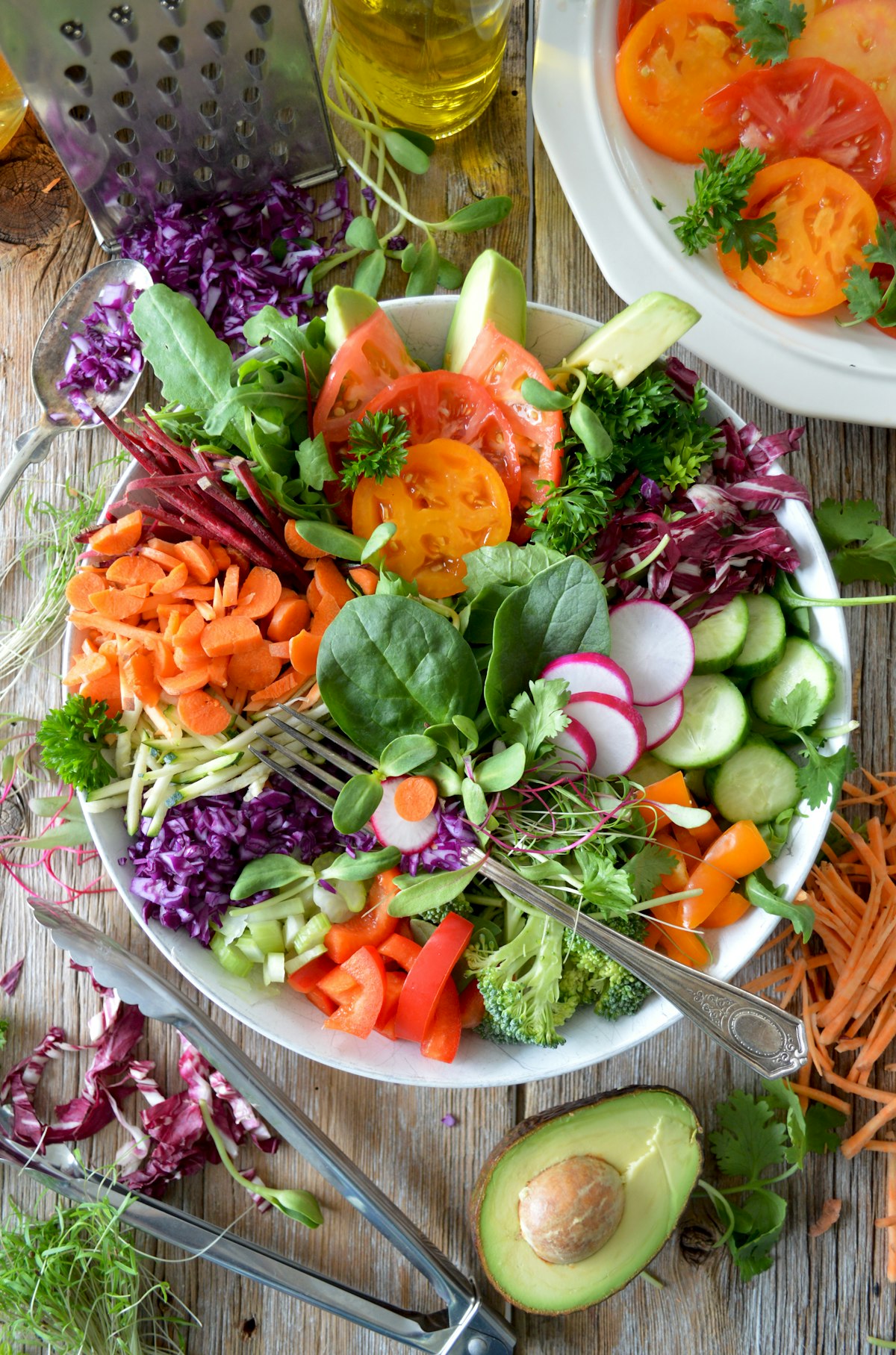
Primary mechanisms governing food deterioration involve aerobic bacterial proliferation, polyunsaturated lipid auto-oxidation, and post-harvest respiration kinetics in fresh horticultural tissues. Modified Atmosphere Packaging (MAP) constitutes an advanced bio-packaging discipline wherein normal atmospheric headspaces (sim 78% N_2, 21% O₂, 0.04% CO₂) are displaced by custom-engineered protective gas mixtures specifically calibrated to product biochemical respiratory profiles.
1. Introduction: Gas Mixture Physics and Diffusion Fundamentals
Commercial MAP design integrates three primary gas constituents: (1) Carbon Dioxide (CO₂): The core antimicrobial agent. Solubilizing in aqueous food phases into carbonic acid (H_2CO_3), it depresses surface pH and inhibits essential bacterial decarboxylases, specifically repressing psychrotrophic Pseudomonas species. (2) Nitrogen (N_2): An inert, low-solubility filler gas preventing headspace volumetric collapse resulting from CO₂ absorption. (3) Oxygen (O₂): Generally minimized to suppress lipid oxidation, but selectively introduced in red meats to maintain oxygenated oxymyoglobin cherry-red color (70-80% O₂) or in respiring fresh cut produce (3-5% O₂) to prevent anaerobic fermentation pathways.
2. Technical Analysis: Equilibrium MAP (EMAP), Respiration Modeling, and Case Studies
Horticultural commodities remain metabolically active post-harvest, consuming oxygen and liberating carbon dioxide: C₆H₁₂O₆ + 6O_2 → 6CO_2 + 6H_2O + Heat. The rate of biological oxygen uptake (R_(O₂)) must be precisely equilibrated with polymer Oxygen Transmission Rate (P_(O₂)), establishing Equilibrium Modified Atmosphere Packaging (EMAP). If barrier permeability is overly restrictive, headspace oxygen drops below 1%, triggering anaerobic fermentation, ethanol accumulation, and severe tissue senescence.
Fresh Meat and Cut Produce Engineering Case Study: Case-ready retail beef cuts packaged under 80% O₂ + 20% CO₂ maintain bright oxymyoglobin color while CO₂ extends microbiological shelf-life from 4 to 14 days. Conversely, fresh-cut romaine lettuce subjected to high oxygen undergoes rapid polyphenol oxidase (PPO) enzymatic browning; optimizing lettuce packaging demands 3-5% O₂ + 5-10% CO₂ balanced with 85-90% N_2 transmitted across micro-perforated polypropylene films to maintain respiratory quotient stability (RQ ≈ 1).
| Commodity Category | Target Gas Mixture (O₂ / CO₂ / N_2) | Primary Biochemical / Antimicrobial Objective | Shelf-Life Extension vs. Air Storage |
|---|---|---|---|
| Fresh Red Meat | 70% – 80% O₂ / 20% – 30% CO₂ | Oxymyoglobin cherry-red bloom, aerobic spoilage suppression | Extended from 3-4 days to 12-16 days |
| Hard Cheeses & Cooked Meats | 0% O₂ / 30% – 40% CO₂ / 60% – 70% N_2 | Zero lipid auto-oxidation, complete mold inhibition | Extended from 1-2 weeks to 6-10 weeks |
| Fresh-Cut Salad Produce | 3% – 5% O₂ / 5% – 10% CO₂ / 85% – 90% N_2 | Respiration deceleration, anaerobic fermentation avoidance | Extended from 3-4 days to 10-14 days |
| Lean Marine Fish | 30% O₂ / 40% – 50% CO₂ / 20% – 30% N_2 | Pseudomonas and Shewanella inhibition, TMA suppression | Extended from 4-5 days to 10-12 days |
3. Conclusion: Engineering Takeaways and Barrier Polymer Selection
MAP efficacy is inextricably linked to polymeric barrier metrics: Oxygen Transmission Rate (OTR) and Water Vapor Transmission Rate (WVTR). Non-respiring matrices require high-barrier coextruded films (EVOH or PVDC layers), while living fresh vegetables demand micro-perforated breathable substrates. Crucially, unbroken refrigerated holding (+4°C) is mandatory; thermal abuse severely diminishes CO₂ solubility in food moisture, collapsing protective antimicrobial hurdles.