
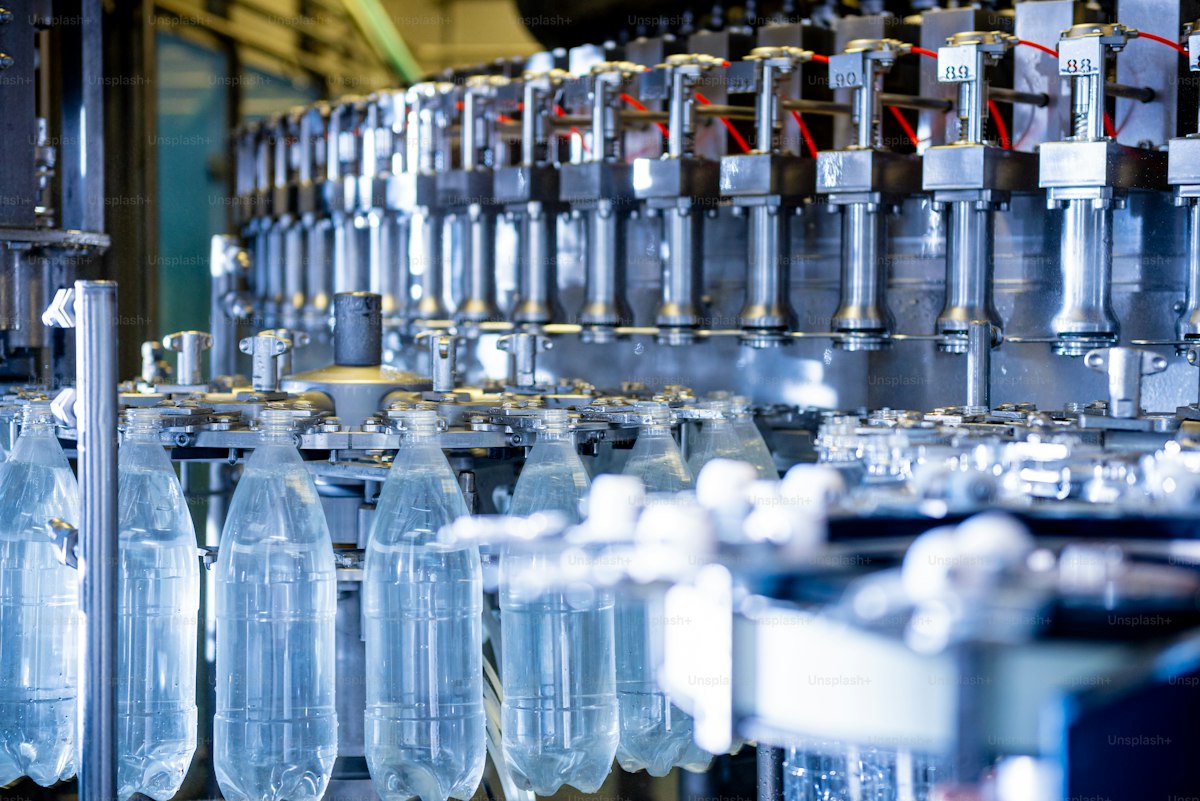
Thermal preservation historically subjected products to prolonged in-container retort batch sterilization (115-121°C for 20-40 minutes), incurring heavy sensory and nutritional degradation. Aseptic processing and packaging circumvents this quality penalty by decoupling product sterilization from packaging decontamination: fluid food undergoes rapid continuous Ultra-High Temperature (UHT: 135-150°C for 2-6 seconds) flash lethality before filling into pre-sterilized hermetic containers inside cleanroom environments.
1. Introduction: Sterility Assurance Level (SAL) and UHT Reaction Thermodynamics
The microbiological benchmark for shelf-stable low-acid foods is commercial sterility with a Sterility Assurance Level (SAL) of < 10⁻⁶. This criterion enforces the classical 12-D spore log-reduction rule (F₀ ge 3.0 min) against hyper-resistant Clostridium botulinum endospores. Under Arrhenius kinetics, activation energy for bacterial spore lethality (E_a ≈ 250-300 kJ/mol) significantly exceeds that of nutrient and pigment degradation (E_a ≈ 80-120 kJ/mol). Consequently, High-Temperature Short-Time reg× maximize spore destruction while preserving sensory quality.
2. Technical Analysis: Package Decontamination (H₂O₂ & PAA), Laminar Air Flow, and Dairy Line Logistics
Aseptic integrity relies upon pre-filling packaging sterilization. Multilayer barrier laminates (polyethylene/paperboard/aluminum foil) or barrier PET bottles pass through atomized hydrogen peroxide vapor (H₂O₂ 35% concentration at 70-80°C) or peracetic acid (PAA) sprays. Downstream dry sterile air streams purge chemical residuals below the FDA boundary threshold of < 0.5 ppm.
Fluid Milk UHT Direct Steam Infusion (DSI) Case Study: Raw milk enters continuous DSI injectors, reaching 142°C with a calibrated hydrodynamic holding tube dwell of 4 seconds, followed by rapid flash vacuum cooling. Product transfers through steam-barrier valving into positive-pressure ISO Class 5 (Class 100) laminar flow HEPA filling tunnels, packaging cartons hermetically to provide 6-9 months of shelf stability at ambient temperature.
| Engineering Metric | In-Container Retort Sterilization | Continuous Aseptic UHT Packaging | Nutritional and Industrial Advantage |
|---|---|---|---|
| Thermal Profile | 121.1°C for 20 – 45 min | 138 – 145°C for 2 – 6 sec | 80% reduction in thermal cooking damage index (C-value) |
| Packaging Sterilization | Concurrent inside the pressurized autoclave | Independent H₂O₂ / UV / PAA decontamination | Enables lightweight, sustainable paperboard packaging |
| Filling Environment | Standard factory atmosphere | ISO Class 5 positive-pressure laminar airflow | Eliminates airborne post-process cross-contamination |
| Micronutrient Retention | Severe thiamine, lysine, and folate loss | Near-complete retention of heat-sensitive vitamins | Preserves clean fresh sensory characteristics |
3. Conclusion: Engineering Takeaways, Dwell Verification, and Seal Integrity
Aseptic reliability requires validating holding tube residence t× via electromagnetic flowmeters, protecting fluid pathways with continuous live steam barriers, and running non-destructive packaging seal integrity assays (dye penetration, vacuum decay). Aseptic UHT processing remains a foundational pillar of global ambient food distribution.