
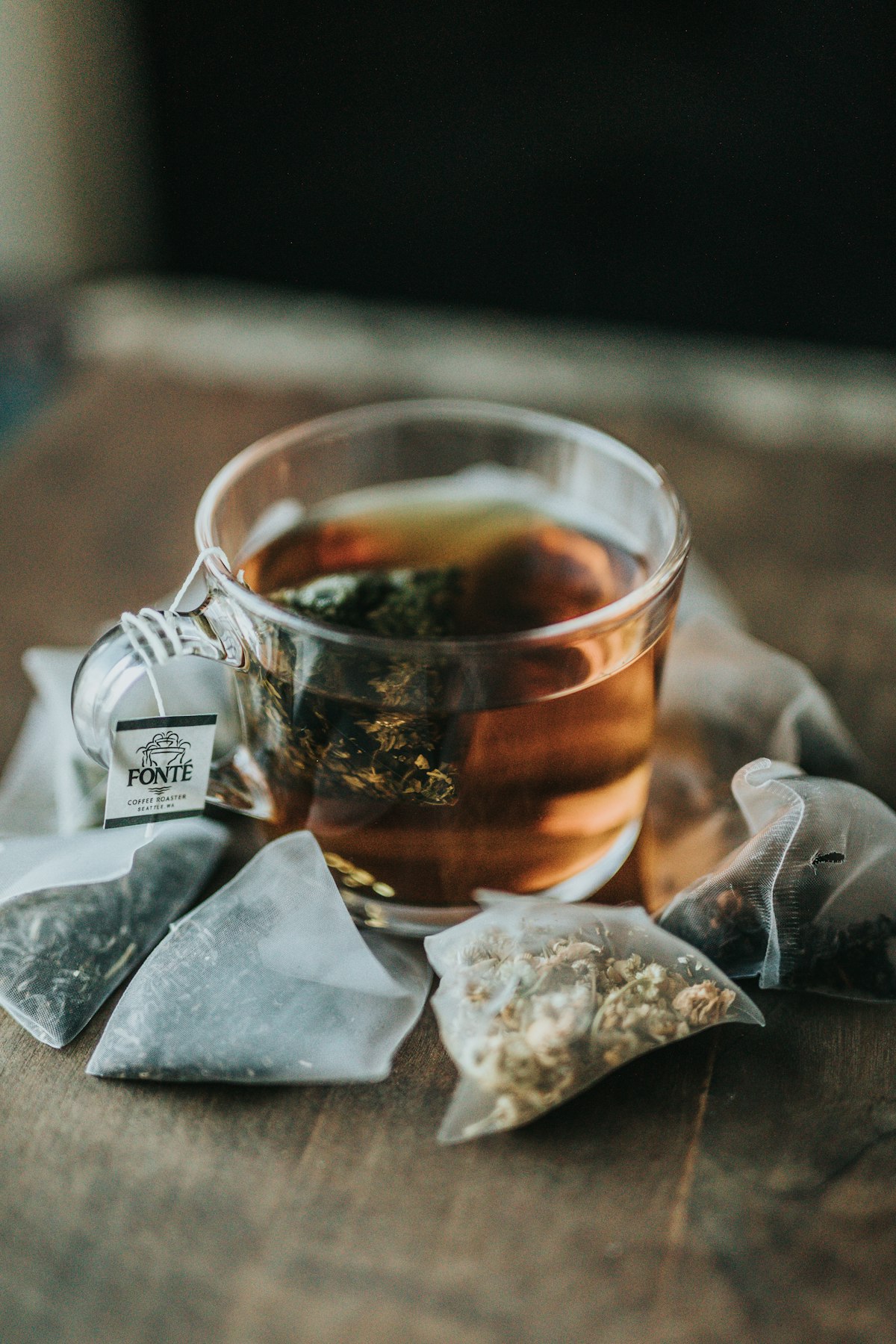
Manufactured from fresh leaves of Camellia sinensis by rapidly inactivating endogenous polyphenol oxidases via high-temperature steaming or pan-firing, green tea serves as the benchmark botanical reservoir of flavan-3-ol catechins. While polyphenols account for 30% to 40% of dried leaf biomass, Epigallocatechin-3-Gallate (EGCG) represents 50% to 70% of total catechins, delivering the most potent biological and antioxidant capacity. Through a food engineering lens, green tea embodies solid-liquid extraction kinetics and formulation-driven bioavailability barriers.
1. Introduction: EGCG Catechin Chemistry and Free Radical Quenching Foundations
Possessing a molecular weight of 458.37 g/mol (C₂₂H₁₈O₁₁), EGCG features a trihydroxylated phenyl B-ring (pyrogallol moiety) and an esterified gallate group on the D-ring, furnishing eight acidic phenolic hydroxyl substituents (-OH). This spatial electronic configuration underpins rapid single-electron and hydrogen-atom transfer reactions neutralizing superoxide and hydroxyl radicals. Beyond stoichiometric direct radical quenching, EGCG’s primary clinical potency stems from covalent cysteine modification of Keap1, facilitating nuclear translocation of Nrf2 and transcription of phase-II cytoprotective enzymes (SOD, catalase, heme oxygenase-1), alongside direct AMP-activated protein kinase (AMPK) phosphorylation governing cellular autophagy.
2. Technical Analysis: Nrf2/AMPK Signaling, Extraction Kinetics, and Case Studies
Catechin dissolution from intact leaf matrices conforms to classical solid-liquid leaching kinetics governed by Fick’s first diffusion law: J = -D · (dC/dx). Elevated thermal reg× accelerate molecular diffusion constants (D); however, prolonged hydrothermal exposure above 85°C—particularly under neutral or alkaline pH conditions—triggers rapid non-enzymatic auto-oxidation and epimerization of trans-EGCG into cis-gallocatechin gallate (GCG).
Brewing Engineering Case Study (Thermal and Acidic Optimization): Preparing green tea with boiling water (100°C) rapidly extracts astringent proanthocyanidins, generating intense bitterness and degrading approximately 25% of native EGCG within 10 minutes. Controlled extraction at 75-80°C for 3 to 4 minutes balances extraction yield against thermal degradation. Furthermore, EGCG exhibits extreme lability at intestinal pH (pH 7.0-7.4). Supplementing green tea infusions with freshly squeezed citrus juice (supplying ascorbic and citric acids, lowering matrix pH to ~4.0) stabilizes catechin rings against intestinal auto-oxidation, elevating enterocyte absorption by up to 80%.
| Extraction Modality | EGCG Leaching Efficiency | Thermal Degradation / Epimerization | Sensory and Bioactive Identity |
|---|---|---|---|
| 100°C Boiling Water (5+ min) | High but unstable | Substantial (20% – 30% loss) | Astringent, harsh bitter notes; degraded actives |
| 75°C – 80°C Controlled Water (3-4 min) | 70% – 85% (Optimal) | Minimal (<5% loss) | Delicate umami-vegetal aroma; peak stability |
| Cold Brew (4°C, 8-12 hours) | 60% – 75% (Gradual) | Zero thermal degradation | Smooth, zero bitterness; reduced caffeine yield |
3. Conclusion: Engineering Takeaways and Optimum Infusion Protocols
To capture maximum health value from green tea, food engineers adhere to four operational standards: (1) Never apply 100°C water directly to dry leaves; temper water to 75-80°C before infusion; (2) Restrict brewing dwell time strictly to 3 minutes; (3) Co-administer citrus ascorbic acid to lower luminal pH and shield catechin cores against oxidative degradation; (4) In individuals with iron deficiency risks, ingest green tea between meals to circumvent polyphenolic non-heme iron chelation.