
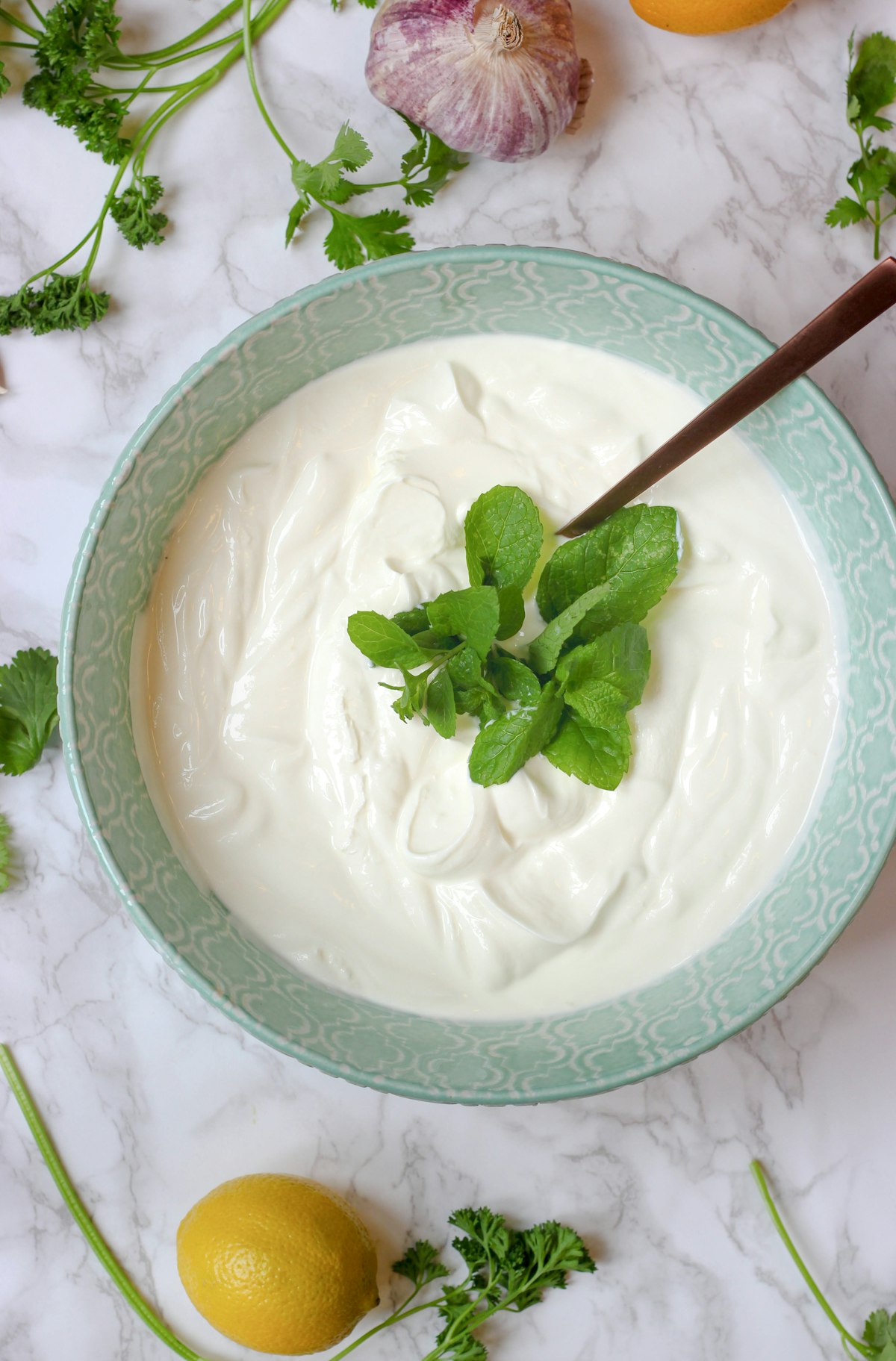
Throughout food engineering history, fermentation represented the earliest form of biopreservation, extending raw commodity shelf-life via organic acid accumulation. Contemporary molecular microbiology demonstrates that fermented dairy matrices—specifically kefir and yogurt—function far beyond simple pathogen-suppressive lactic reservoirs; they operate as complex biological reactors continuously liberating bioactive peptides, postbiotic metabolites, and mucosal barrier-repairing short-chain fatty acids (SCFA).
1. Introduction: Microbiological Foundations of Fermented Matrices
Yogurt is generated via strict protocooperation between two thermophilic bacterial strains (Streptococcus thermophilus and Lactobacillus delbrueckii subsp. bulgaricus) operating at 42-45°C. In this mutualism, S. thermophilus secretes formic acid to accelerate L. bulgaricus proliferation, while L. bulgaricus deploys high cell-envelope proteinase activity to hydrolyze casein, releasing free oligopeptides that nourish S. thermophilus. Conversely, kefir represents a mesophilic, self-assembled polysaccharide-protein matrix (kefiran) harboring over 30 distinct lactic acid bacteria, acetic acid bacteria, and fermentative yeasts (Kluyveromyces marxianus, Saccharomyces cerevisiae) fermenting at 20-25°C.
2. Technical Analysis: Proteolytic Kinetics, SCFA Pathways, and Case Studies
During active fermentation, bacterial cell-wall proteinases (PrtP) hydrolyze intact milk caseins into bioactive cryptides. Proline-rich tripeptides (Val-Pro-Pro and Ile-Pro-Pro) act as competitive inhibitors of Angiotensin-Converting Enzyme (ACE), blunting vasoconstrictive signaling to support arterial elasticity. Downstream, colonic anaerobic fermentation of surviving microbial cell walls generates short-chain fatty acids (acetate, propionate, and butyrate). Butyrate serves as the primary energetic substrate for colonocytes, inducing histone deacetylase (HDAC) inhibition and upregulating claudin-1 and occludin transcription to reinforce tight junction barrier integrity.
Engineering Case Study (pH Trajectory and Gel Kinetics): Following culture inoculation, microbial lactose fermentation drives medium pH from 6.7 toward the isoelectric point of casein (pI 4.6). At this critical threshold, electrostatic repulsion among steric kappa -casein brushes collapses, enabling hydrophobic associations and colloidal calcium phosphate cross-linking that construct a continuous viscoelastic 3D protein network. If cooling or incubation kinetics fluctuate erratically, micro-fractures develop within the protein gel, driving syneresis (spontaneous whey separation). Food process engineers maintain strictly uniform 42°C temperature fields to ensure isotropic gel networks.
| Fermented Matrix | Microbial Ecosystem | Incubation Parameters | Dominant Bioactive Metabolites |
|---|---|---|---|
| Standard Yogurt | S. thermophilus, L. bulgaricus (Defined co-culture) | 42°C – 45°C, 4 – 6 hours | Lactic acid, acetaldehyde, ACE-inhibitory peptides |
| Traditional Kefir | Lactobacilli, acetic bacteria, yeasts (Symbiosis) | 20°C – 25°C, 18 – 24 hours | Kefiran, trace ethanol (0.5-1.5%), GABA, butyrate |
| Kombucha Consortium | SCOBY (Acetic acid bacteria and osmophilic yeasts) | 22°C – 28°C, 7 – 14 days | Gluconic acid, acetic acid, tea polyphenols |
3. Conclusion: Engineering Takeaways and Gut Barrier Protocols
The clinical value of fermented foods lies in their capacity to restore microbiome diversity eroded by sterile, ultra-processed industrial diets. To capture verified health benefits: (1) Ensure products are pasteurized PRIOR to fermentation, avoiding post-fermentation thermal processing (“heat-treated fermented milk”) which renders probiotic cultures non-viable; (2) Authentic kefir should supply a minimum of 10⁷ CFU/g viable bacteria and 10⁴ CFU/g yeasts; (3) Fermented dairy matrices should be paired with intact fermentable prebiotic fibers (inulin, resistant starch) to fuel sustained distal colonic postbiotic generation.