
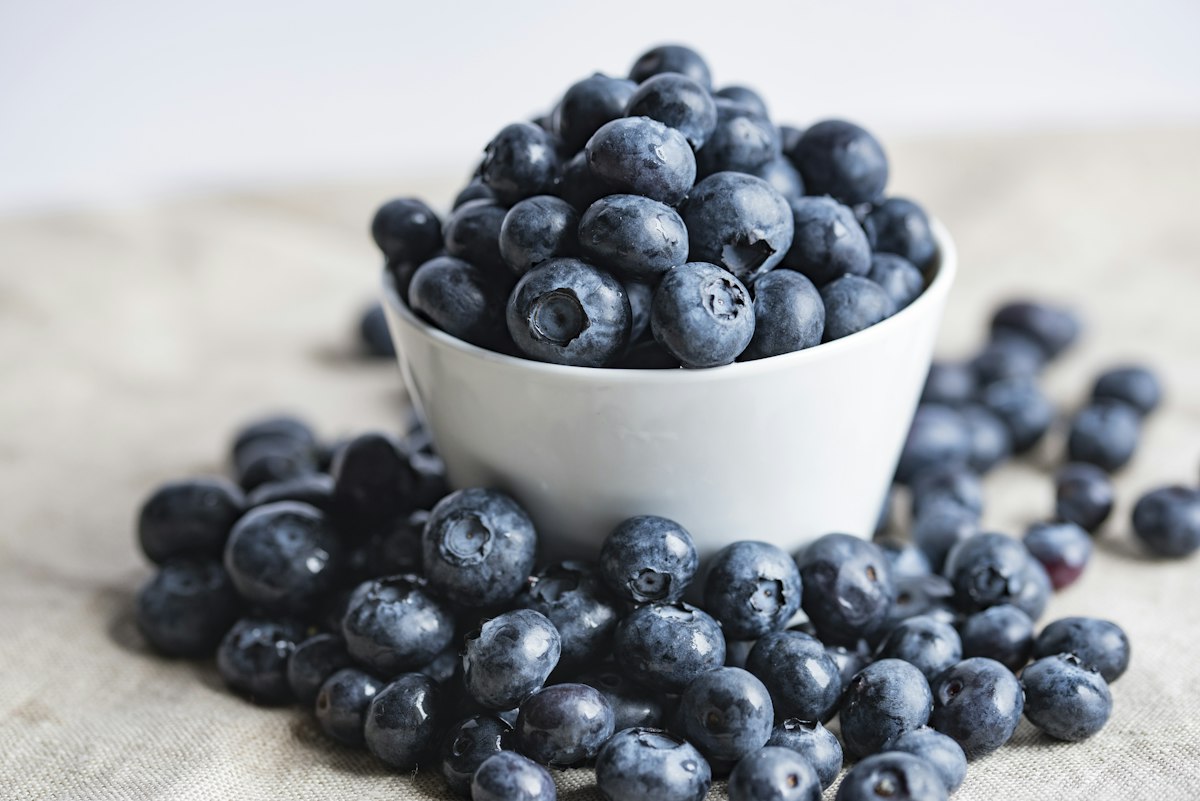
Anthocyanins—polyhydroxy and polymethoxy derivatives of the 2-phenylbenzopyrylium (flavylium) ion—represent the premier class of water-soluble natural red, purple, and blue pigments employed in clean-label functional beverages and nutraceutical foods. However, their industrial application is severely constrained by thermodynamic instability: ambient thermal processing, dissolved oxygen, and neutral pH regimes trigger rapid nucleophilic hydration, opening the central pyrylium ring and yielding colorless chalcones and insoluble brown polymeric degradation products. Overcoming this barrier requires exploiting molecular copigmentation and structural acylation phenomena.
Contents3 sections
1. Introduction: Multistate Chemical Equilibria and pH-Dependent Structural Transitions
In aqueous food matrices, anthocyanins exist in a dynamic four-way thermodynamic equilibrium governed by system pH and temperature:
At acidic pH (pH < 2.0), the intensely colored red flavylium cation (AH⁺) predominates. As pH rises toward physiological and beverage norms (pH 3.0 to 5.5), two competing parallel pathways occur: rapid proton transfer yields the purple/blue quinonoidal anhydrous base (A), while nucleophilic attack by water at the electropositive C-2 position generates the transient, colorless carbinol pseudobase (B).
The carbinol pseudobase undergoes tautomeric ring-opening cleavage of the pyran C-O bond, forming the yellow/colorless trans-chalcone (C). Under sustained thermal pasteurization, the chalcone irreversible breaks down via cleavage of the C2-C3 bond into phenolic degradation products—specifically protocatechuic acid (from cyanidin) or gallic acid (from delphinidin) and phloroglucinaldehyde—causing catastrophic color loss and antioxidant depletion.
2. Technical Analysis: Copigmentation Thermodynamics, Pi-Pi Stacking, and Acylation Resistance
To protect the vulnerable C-2 carbon of the flavylium cation from nucleophilic water hydration, nature and food bioprocess engineers utilize copigmentation—the non-covalent association of anthocyanins with colorless cofactors (phenolic acids, flavonoids, amino acids, or metal ions):
Intermolecular Pi-Pi Hydrophobic Stacking: Planar hydroxycinnamic acids (such as ferulic, sinapic, and rosmarinic acids) align parallel to the anthocyanin pyrylium ring through overlapping pi-electron orbitals and van der Waals interactions. This hydrophobic sandwich sterically blocks water molecules from attacking C-2, shifting the equilibrium constant K_h away from carbinol formation and inducing a distinct bathochromic shift (Δλ_max = +5 to +20 nm, shifting hue toward violet) and a hyperchromic effect (absorbance amplification of 30% to 150%).
Intramolecular Acylation: Anthocyanins derived from black carrot (Daucus carota L.)—specifically cyanidin-3-(2″-xylosyl-6″-glucosyl-galactoside) acylated with sinapic, ferulic, or p-coumaric acids—exhibit phenomenal intrinsic resistance. The covalently linked acyl moieties fold over the chromophore core in a permanent intramolecular hydrophobic pocket:
| Anthocyanin Structure & Botanical Source | Acylation Type & Moiety | Half-Life t_1/2 at 80 °C (Hours) | Activation Energy E_a (kJ/mol) | Bathochromic Shift Δλ_max (nm) |
|---|---|---|---|---|
| Cyanidin-3-Glucoside (Blackberry) | Non-acylated monoglycoside | 2.1 hours | 68.4 kJ/mol | 0 (Baseline reference 516 nm) |
| Cyanidin-3-Rutinoside (Sweet Cherry) | Non-acylated diglycoside | 2.8 hours | 72.1 kJ/mol | + 2 nm |
| Cyanidin Feruloyl-Glucoside (Black Carrot) | Mono-acylated hydroxycinnamic | 14.6 hours | 98.5 kJ/mol | + 12 nm (intense stable purple) |
| Cyanidin Sinapoyl-Di-Glucoside (Red Cabbage) | Di-acylated aromatic core | 22.4 hours | 108.2 kJ/mol | + 18 nm (stable up to pH 7.0) |
3. Conclusion & Industrial Implications: Metal Coordination Complexes and Formulation Protocols
In commercial beverage pasteurization (tunnel pasteurization at 75°C to 85°C for 20 minutes), non-acylated anthocyanins lose up to 60% of their color intensity within 30 days of storage. Formulating with di-acylated black carrot extracts combined with food-grade polyvalent metal chelators (specifically zinc acetate or aluminum lactate at sub-toxic, stoichiometric ratios) forms metallo-anthocyanin supercomplexes. These supramolecular complexes exhibit activation energies exceeding 100 kJ/mol, guaranteeing a 12-month ambient color stability in functional isotonic drinks without synthetic artificial colorants.
 Mehmet Sandikci