
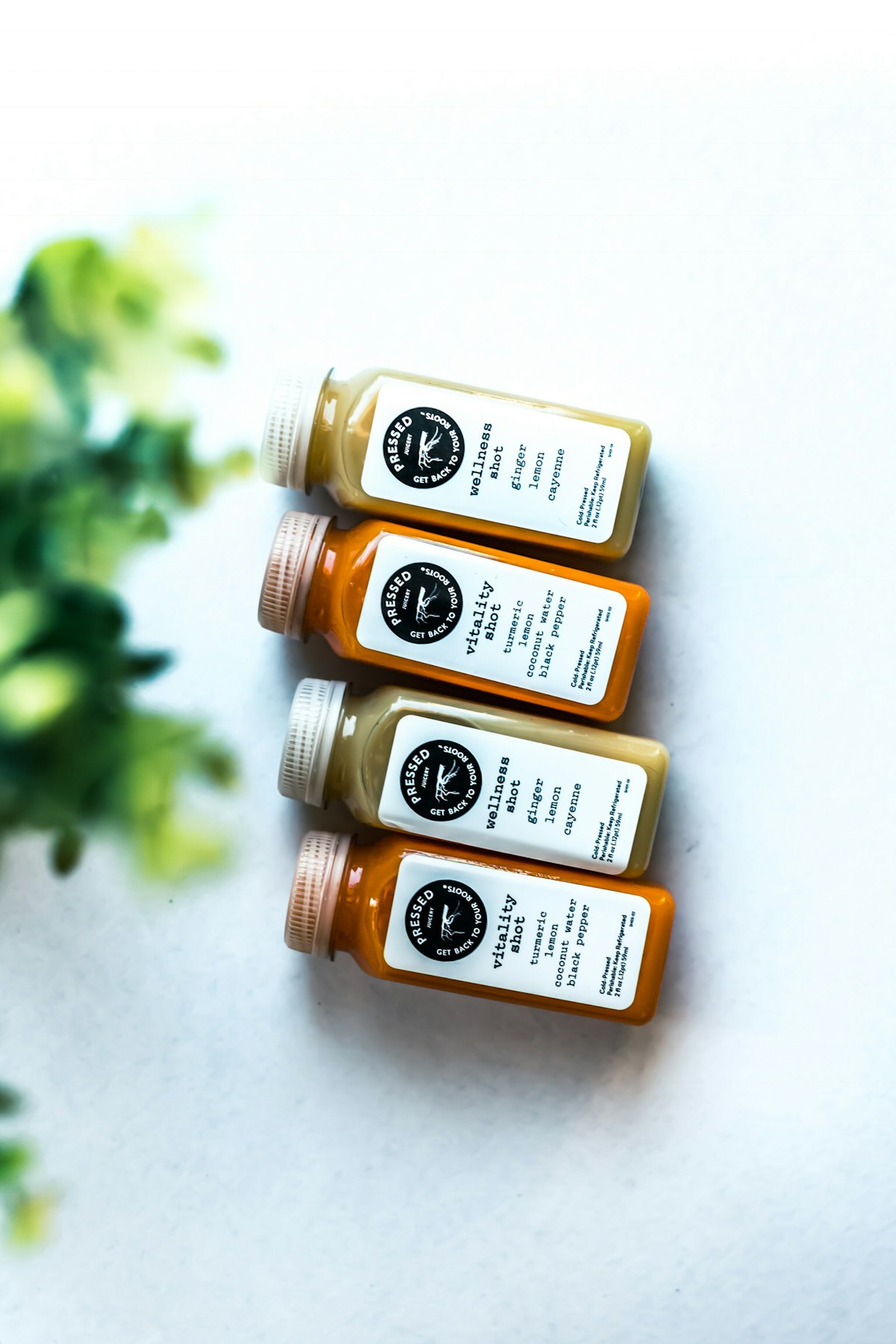
Within advanced non-thermal preservation technologies, High Pressure Processing (HPP)—also designated high hydrostatic pressure (HHP) or pascalization—represents the definitive commercial benchmark for cold pasteurization. By transmitting uniform isostatic pressure (typically 300 to 600 MPa) instantaneously through water to packaged foods, HPP inactivates vegetative pathogenic and spoilage microorganisms while entirely preserving primary covalent bonds, thermal-sensitive vitamins, volatile aromatic terpenes, and native organoleptic qualities.
Contents3 sections
1. Introduction: Isostatic Transmission, Bridgman Principle, and Le Chatelier Kinetics
HPP is governed by two core physicochemical laws. First, the Bridgman Principle establishes isostatic pressure transmission: hydrostatic pressure is transmitted uniformly and quasi-instantaneously throughout the liquid or solid food matrix, independent of package geometry, volume, or thickness. Consequently, thermal gradients, boundary-layer fouling, and localized overcooking characteristic of heat exchangers are eliminated.
Second, Le Chatelier’s Principle dictates that any molecular phenomenon accompanied by a net decrease in physical volume (ΔV < 0) is kinetically and thermodynamically accelerated by pressure. High hydrostatic pressure destabilizes non-covalent interactions (electrostatic bonds, hydrophobic associations, and hydrogen bonding networks) whose disruption yields a contracted hydration shell. Conversely, low-molecular-weight nutrients, pigments, and flavor molecules linked by covalent bonds (ΔV ≈ 0) remain undisturbed up to 1000 MPa.
2. Technical Analysis: Microbial Inactivation Mechanics, Membrane Permeabilization, and Pressure-Assisted Thermal Lethality
Vegetative cell death under isostatic pressure proceeds via irreversible multi-target cellular trauma rather than single-point thermal lysis:
Membrane Bilayer Phase Transition and Collapse: Under 400 to 600 MPa, the hydrophobic lipid bilayer of microbial cell membranes undergoes a liquid-crystalline to rigid gel phase transition. Acyl chain packing density spikes, accompanied by a 10% to 15% reduction in cross-sectional membrane area. Membrane-bound transport proteins, notably Ca²⁺/Mg²⁺-ATPases, suffer conformational unfolding, triggering severe structural permeabilization, uncoupling of intracellular proton-motive force, and lethal cytoplasmic leakage.
Ribosomal Disassembly and Protein Denaturation: Hydrostatic pressure dissociates the 70S prokaryotic ribosome into inactive 30S and 50S subunits at pressures as low as 250 MPa, arresting protein synthesis. Above 400 MPa, globular enzymes (such as essential dehydrogenases and glycolytic catalysts) undergo irreversible quaternary dissociation and tertiary unfolding, eliminating metabolic recovery.
Baroprotective Food Matrix Effects: Inactivation kinetics follow the modified Bigelow log-linear model, log(N/N₀) = -t / D_p, where D_p is the decimal reduction time at target pressure P. However, dissolved solutes significantly increase baroresistance. High sucrose concentration or low water activity (a_w < 0.92) stabilizes cellular hydration shells, requiring higher pressure dwells (600 MPa for 300 s) to achieve a validated 5-log reduction of Listeria monocytogenes and Salmonella enterica in fruit juices and delicatessen meats.
| Food Matrix Category | Target Microorganism / Enzyme | Operating Pressure (MPa) | Dwell Time (s) | Log Reduction & Structural Stability |
|---|---|---|---|---|
| Citrus & Berry Juices | Escherichia coli O157:H7, Yeast | 500 – 600 | 120 – 180 | > 5.5 log CFU/mL; 96% anthocyanin retention |
| Avocado & Guacamole | Polyphenol Oxidase (PPO), Spoilage Flora | 600 | 180 – 300 | PPO inactivation > 85%; enzymatic browning arrested 45 days |
| Ready-to-Eat (RTE) Meats | Listeria monocytogenes | 550 – 600 | 180 | > 6.0 log CFU/g; eliminates post-lethality cross-contamination |
| Crustaceans (Lobster/Oyster) | Vibrio parahaemolyticus, Adductor Muscle | 250 – 350 | 90 – 120 | 100% shell shucking separation; complete Vibrio lethality |
3. Conclusion: Engineering Takeaways, Vessel Metallurgy, and Packaging Integrity
From an industrial engineering standpoint, HPP batch vessels represent extreme metallurgical environments operating under cyclic fatigue up to 6000 bar. Pressure vessels constructed with wire-wound pre-stressed forged steel cylinders ensure fail-safe design across 100,000+ pressurization cycles. Food packaging must incorporate flexible, elastomeric polymeric films (EVOH, high-density polyethylene, polypropylene) capable of sustaining a temporary 15% volumetric compression during the cycle without seam delamination or gas barrier micro-cracking.

 Mehmet Sandikci