
Cold Atmospheric Plasma (CAP)—often termed the fourth state of matter operated under non-thermal equilibrium—has emerged as a transformative green technology for the surface decontamination of fresh produce, packaging films, and seeds. By energizing carrier gases (air, nitrogen, helium) via high-voltage electrical discharges at ambient temperatures (20°C to 40°C), CAP generates an abundant cocktail of ultraviolet photons, energetic electrons, and potent Reactive Oxygen and Nitrogen Species (RONS) that trigger rapid microbial cell lysis.
Contents3 sections
1. Introduction: Non-Equilibrium Plasma Physics, DBD Discharges, and Gas Ionization
Unlike thermal plasmas where electrons and heavy ions reside in thermal equilibrium at thousands of degrees Celsius, cold plasma operates in a non-equilibrium state. The mass mismatch between electrons (m_e) and heavy gas ions/neutrals (M_i) ensures that electrical energy is preferentially coupled into electron kinetic energy (T_e > 10,000 K), while bulk gas temperatures remain close to room temperature (T_g ≈ 300 K).
Industrial CAP systems predominantly employ Dielectric Barrier Discharge (DBD) or atmospheric pressure plasma jets (APPJ). In a DBD configuration, an insulating dielectric layer (quartz, alumina) caps one or both metal electrodes, limiting localized arcing and self-terminating current filaments within nanoseconds. This produces diffuse, homogenous plasma discharges directly across food conveyor systems without thermal ablation.
2. Technical Analysis: RONS Reaction Networks, Lipid Peroxidation, and Bacterial Spore Inactivation
The antimicrobial prowess of cold plasma stems from coordinated chemical and physical attack vectors targeting microbial envelopes:
RONS Reactive Chemistry Cascade: Electrical excitation of ambient air dissociates molecular oxygen and nitrogen, synthesizing short-lived primary species: singlet oxygen (¹O₂), hydroxyl radicals (·OH), nitric oxide (·NO), and superoxide anions (·O₂⁻). These rapidly recombine into secondary long-lived antimicrobials, principally ozone (O₃), hydrogen peroxide (H₂O₂), and peroxynitrite (ONOO⁻). Peroxynitrite exhibits extraordinary bactericidal diffusion through bacterial peptidoglycan layers, inducing irreversible membrane polyunsaturated fatty acid peroxidation.
DNA Cleavage and Electrostatic Disruption: Intracellular accumulation of hydroxyl radicals oxidizes guanine bases into 8-hydroxy-2′-deoxyguanosine (8-OHdG), precipitating double-strand DNA fragmentation. Simultaneously, the localized net accumulation of positive and negative electrostatic charges on outer microbial membranes exerts electrostatic tensile stress. When this Maxwell stress exceeds membrane tensile strength, mechanical membrane rupture occurs within seconds.
Endospore Inactivation Dynamics: While vegetative cells succumb to 2 to 4 log reductions within 30 to 60 seconds, bacterial endospores (Bacillus cereus, Clostridium botulinum) exhibit fortified dipicolinic acid-calcium complexes in their core. CAP overcomes spore resistance through UV photon-mediated thymine dimerization coupled with atomic oxygen etching of the proteinaceous spore coat, compromising core permeability.
| Food Commodity / Target | Plasma Discharge Mode | Primary Chemical Reactive Species | Treatment Dwell (s) | Inactivation Efficacy & Food Quality |
|---|---|---|---|---|
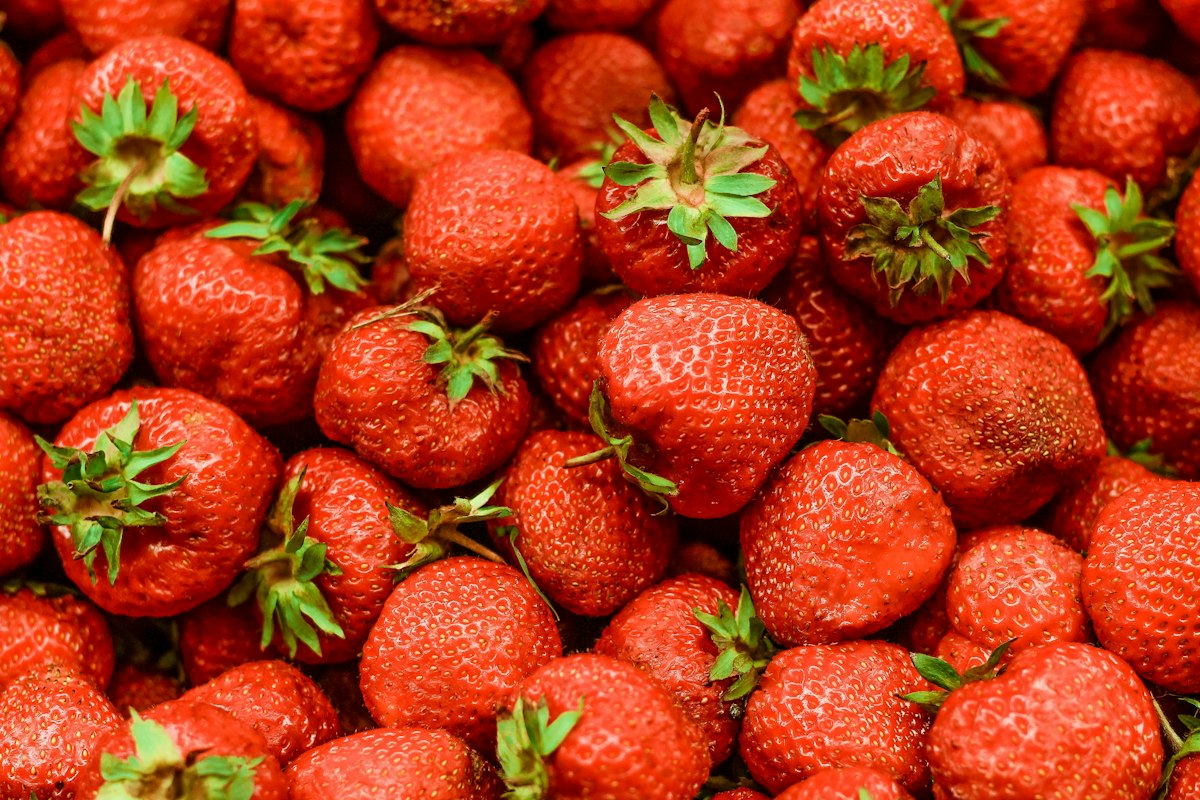
| Fresh Strawberries & Blueberries | DBD Ambient Air Plasma | Ozone (O₃), ·NO₂, ·OH radicals | 60 – 120 | 3.2 log reduction of Botrytis cinerea; shelf-life extended by 7 days |
| Sprout & Cereal Seeds | Low-Pressure Oxygen Plasma | Singlet Oxygen (¹O₂), Atomic O | 90 – 180 | 4.1 log reduction of Salmonella; accelerated germination rate by 22% |
| Shell Eggs (Poultry) | Direct DBD Atmospheric Jet | Peroxynitrite (ONOO⁻), H₂O₂ | 45 – 60 | > 5.0 log reduction of Salmonella Enteritidis; egg yolk lipid intact |
| Polyethylene Packaging Film | High-Frequency Pulse Plasma | UV-C Photons + Ion Etching | 5 – 15 | Complete surface sterilization; surface wettability enhanced |
3. Conclusion: Engineering Takeaways, Ozone Scavenging, and Matrix Lipid Oxidation Controls
The primary technological challenge in industrial CAP scale-up involves controlling collateral lipid oxidation in fatty food matrices. On high-fat foods (oily fish, dairy, raw nuts), excessive hydroxyl radical generation accelerates secondary aldehyde formation (hexanal). Mitigating this requires active gas composition tuning (enriching N₂ while curtailing O₂ below 5%) and integrating catalytic manganese dioxide (MnO₂) ozone destruct units on plant exhaust ducts to comply with occupational safety thresholds (< 0.1 ppm O₃).


 Mehmet Sandikci