
Beyond bacterial and viral contamination, low-molecular-weight fungal secondary metabolites present a persistent chemical safety threat across agronomic food chains. Synthesized under unmitigated post-harvest storage humidity (a_w > 0.70, T > 20°C) by Aspergillus, Penicillium, and Fusarium species, mycotoxins—predominantly Aflatoxins, Ochratoxin A (OTA), and Trichothecenes—demonstrate profound thermal stability and potent toxicological profiles.
1. Introduction: Toxicokinetic Mechanism and Hepatic Cytochrome P450 Bioactivation
Aflatoxin B_1 (AFB₁) represents the most potent naturally occurring hepatocarcinogen, designated as an IARC Group 1 human carcinogen. Upon ingestion, hepatic microsomal Cytochrome P450 monooxygenases (CYP1A2 and CYP3A4) bioactivate AFB₁ into electrophilic exo-AFB₁-8,9-epoxide. This reactive intermediate alkylates the N⁷ nitrogen atom of deoxyguanosine in genomic DNA, establishing pro-mutagenic AFB₁-N⁷-guanine transversion adducts that disable the p53 tumor suppressor pathway.
2. Technical Analysis: Chromatographic Quantification (HPLC-FLD), Clean-Up, and Silo Engineering
Quantifying mycotoxins requires representative multi-point sampling (Commission Regulation EC No 401/2006) to overcome heterogeneous distribution (“hot spot” clustering). Analytical workflows couple Immunoaffinity Column (IAC) enrichment with Reverse-Phase High-Performance Liquid Chromatography featuring Fluorescence Detection (HPLC-FLD) or tandem LC-MS/MS. Post-column derivatization using electrochemical bromination (Kobra cell) enhances native AFB₁ fluorescence, achieving sub-ppb sensitivity limits.
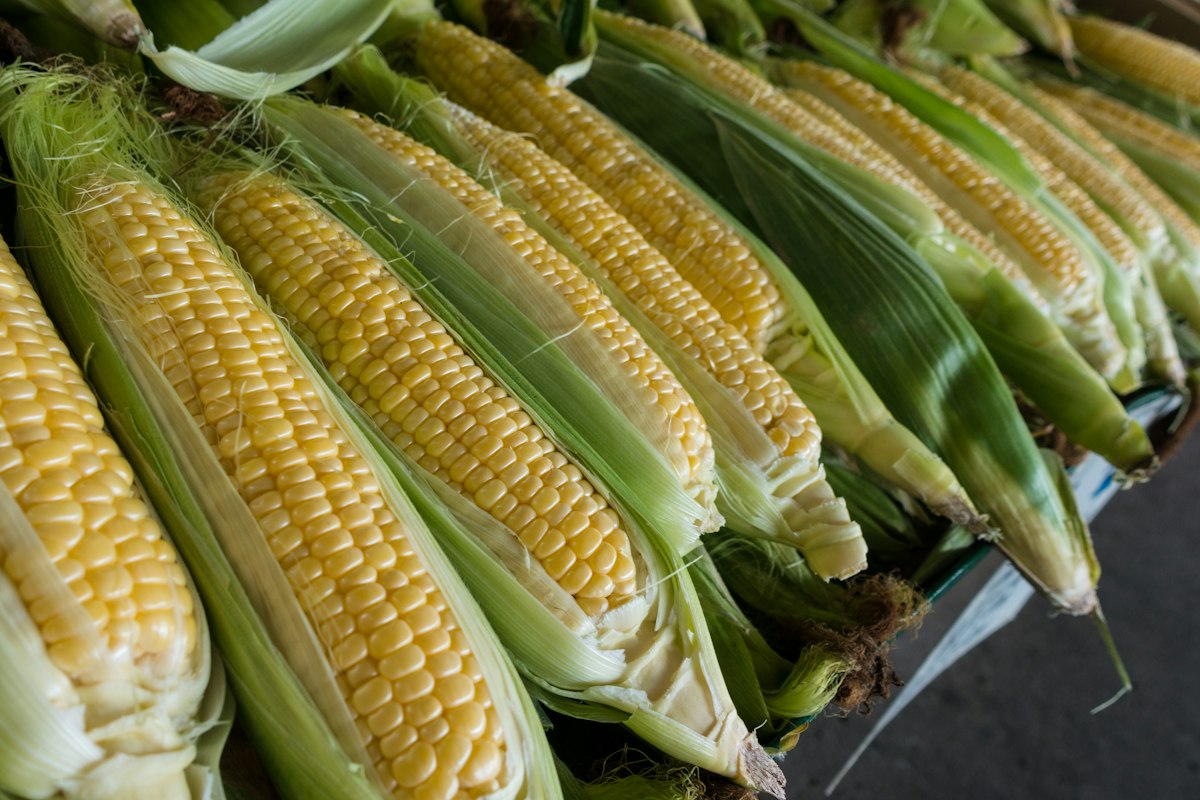
Maize Silo and Dried Fig Case Study: In bulk cereal silos and drying tables, Aspergillus flavus infestations are screened via bright greenish-yellow fluorescence (BGYF) under 365 nm UV inspection. Thermal cooking and pasteurization fail to cleave the heat-stable coumarin core (T_degradation > 250°C). Hence, primary defense relies on thermodynamic moisture suppression (a_w le 0.65) and field biocontrol deployment of non-aflatoxigenic competing strains.
| Mycotoxin Analyte | Producing Mold Taxa | Susceptible Food Matrix | Toxicological Profile | Regulatory Threshold (EU / Codex) |
|---|---|---|---|---|
| Aflatoxin B1 | Aspergillus flavus, A. parasiticus | Pistachios, peanuts, maize, dried figs | Hepatocellular carcinoma (Group 1) | 2.0 mug/kg (Direct human diet) |
| Aflatoxin M1 | Hepatic metabolite in lactating cows | Fluid milk, cheese, whey powder | Hepatotoxic, genotoxic (Group 1) | 0.050 mug/kg (Infant formula: 0.025) |
| Ochratoxin A (OTA) | Penicillium verrucosum, A. ochraceus | Cereals, roasted coffee, dried vine fruit | Nephrotoxic, teratogenic (Group 2B) | 3.0 – 5.0 mug/kg (Cereal grains) |
| Deoxynivalenol (DON) | Fusarium graminearum | Wheat, barley, durum pasta | Vomitoxin, ribotoxic ribosome stall | 750 – 1250 mug/kg |
3. Conclusion: Engineering Takeaways, Ozone Cleavage, and Post-Harvest Control
Preemptive mitigation requires real-time thermocouple cable arrays in grain silos, continuous forced-air aeration keeping equilibrium relative humidity below 65%, and high-speed optical sorters ejecting contaminated kernels. Emerging biochemical detoxification methods, such as gaseous ozone (O₃) oxidation of the terminal furan double bond and recombinant laccase enzymatic cleavage, provide promising industrial remediation paths.