
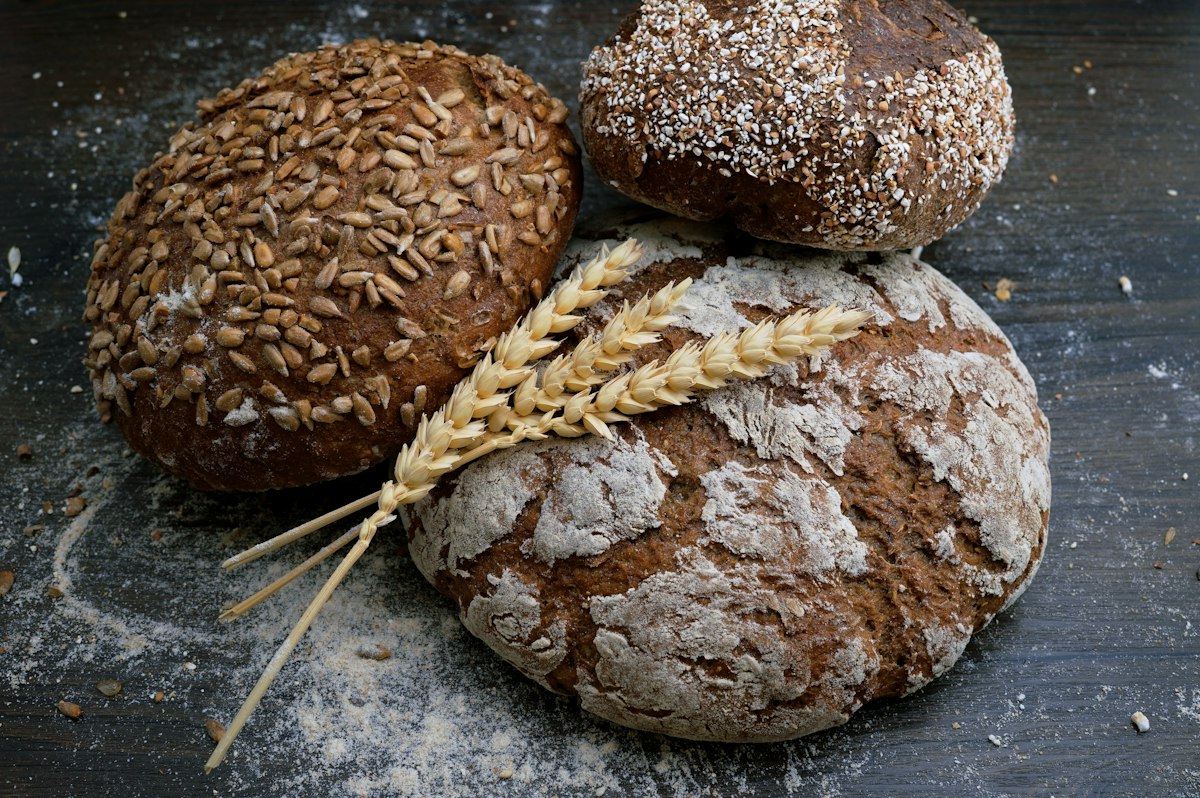
Across baking, coffee roasting, extrusion, and grilling, the sensory hallmarks of culinary desirability—golden crust color, pyrazine aromas, and savory flavors—derive from the intricate reaction network termed the “Maillard Reaction” (non-enzymatic browning). Documented in 1912 by French physician Louis-Camille Maillard, this condensation cascades between reducing carbonyls and unprotonated amino groups. However, advanced reaction stages synthesize hazardous process contaminants: carcinogenic acrylamide and cytotoxic Advanced Glycation End-Products (AGEs).
1. Introduction: Reaction Stages, Amadori Rearrangements, and Strecker Degradation
The classical Maillard reaction encompasses three kinetic phases: (1) Initial Phase: Nucleophilic condensation between a reducing carbohydrate carbonyl (C=O) and a free amino group (-NH_2, principally lysine or asparagine) yields a reversible Schiff base, isomerizing via Amadori (from aldoses) or Heyns (from ketoses) rearrangement into stable ketoamines. (2) Intermediate Phase: Dehydration of Amadori intermediates generates 1,2-dicarbonyls (3-deoxyglucosones) and methylglyoxal; subsequent Strecker degradation converts amino acids into volatile aldehydes and alkylpyrazines. (3) Final Phase: Condensation of reactive dicarbonyl intermediates with amino residues synthesizes complex, high-molecular-weight brown melanoidin polymers.
2. Technical Analysis: The Acrylamide Pathway, Toxicokinetics, and Mitigation Engineering
Identified in thermally processed carbohydrate matrices in 2002, monomeric acrylamide (C_3H_5NO) is biosynthesized at temperatures exceeding 120°C via Maillard decarboxylation of free L-asparagine coupled with reducing hexoses (glucose and fructose). Following absorption, hepatic cytochrome P450 2E1 oxidizes acrylamide into glycidamide—a reactive epoxide forming covalent adducts with genomic DNA and hemoglobin.
Potato Processing and Enzymatic Mitigation Case Study: In tubers, the kinetic rate-limiting substrate is free reducing sugar rather than asparagine. Storing raw potatoes at refrigeration temperatures (+4°C) triggers “cold-induced sweetening” (CIS), wherein endogenous phosphorylases hydrolyze starch into free glucose, escalating reducing sugars fivefold. Submerging these cold-stored tubers in 175°C oil yields dangerous acrylamide spikes exceeding 1500 ppb. Food engineering countermeasures: (1) Store raw processing potatoes at strictly 8-10°C; (2) Implement pre-frying hot-water blanching (70°C for 10 minutes) to leach surface hexoses; (3) Inoculate formulation doughs with recombinant microbial L-asparaginase, converting free asparagine into aspartic acid and suppressing acrylamide synthesis by over 90% without altering finished sensory browning.
| Processed Food Matrix | Rate-Limiting Maillard Substrate | Typical Acrylamide Burden | EFSA Benchmark Guidance Level |
|---|---|---|---|
| Fried Potato Crisps / Chips | Free Asparagine + Reducing Hexoses | 400 – 1200 ppb | 500 ppb (Strict ceiling) |
| Roasted Coffee (Dark Roast) | Asparagine + Sucrose pyrolysis | 150 – 300 ppb | 400 ppb |
| Infant Biscuits & Baby Cereals | Wheat Lysine/Asparagine + Glucose | 80 – 180 ppb | 150 ppb (Maximum vigilance) |
| Boiled / Steamed Tubers | Aqueous immersion (<100°C) | < 10 ppb (Non-detectable) | Zero process contaminant risk |
3. Conclusion: Engineering Takeaways and Thermal Processing Standards
Balancing sensory browning against acrylamide risk adheres to the industrial rule: “Go for gold, avoid the dark.” In culinary preparation, raw sliced potatoes should undergo a 15-minute warm water soak to deplete surface reducing sugars, thermal processing should reside below 175°C, and cooking must conclude at a light golden-yellow hue. Minimizing exogenous dietary AGE accumulation—a recognized driver of diabetic microvascular complications and arterial stiffening—requires prioritizing hydrothermal steaming and gentle poaching over aggressive charring.