
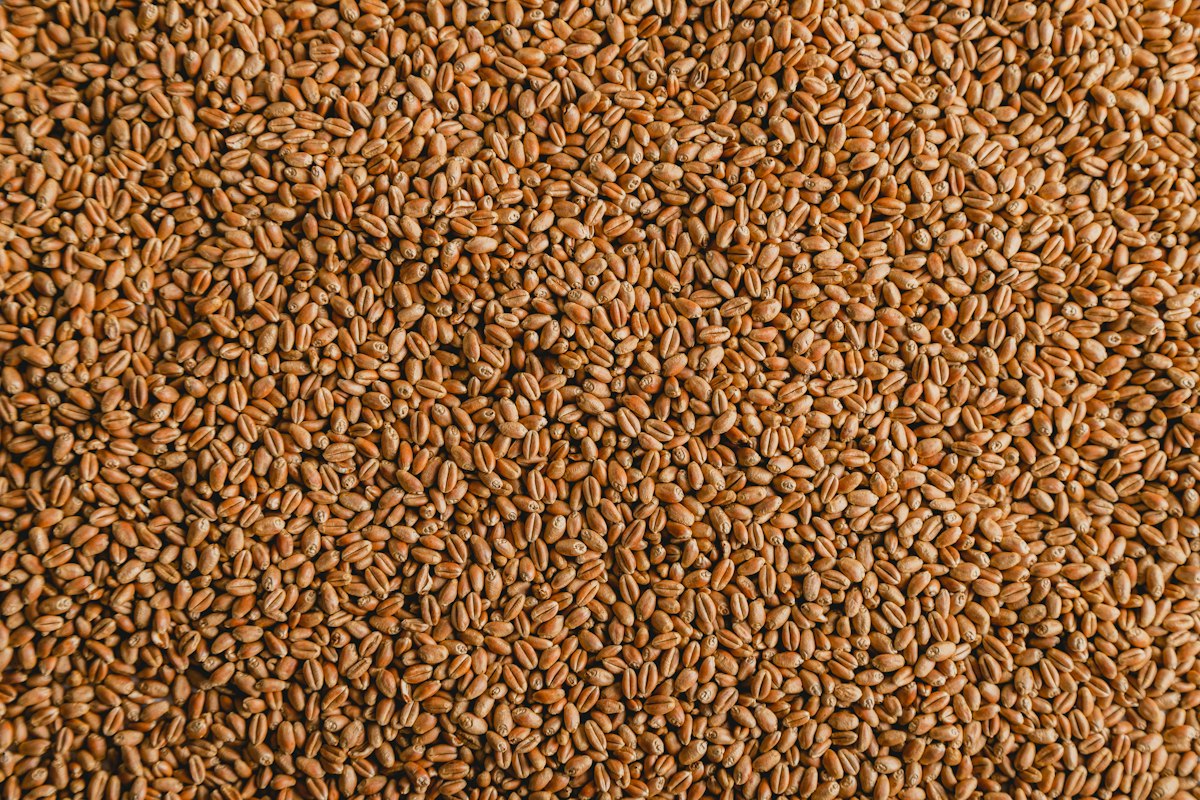
Mycotoxins—low-molecular-weight secondary fungal metabolites synthesized by filamentous species of Aspergillus, Fusarium, and Penicillium—represent one of the most formidable chemical food safety hazards in global grain supply chains. Characterized by high thermal stability and chemically inert ring structures, mycotoxins such as Aflatoxin B1 (AFB1) and Deoxynivalenol (DON, vomitoxin) persist through severe industrial milling, baking, and extrusion processes, demanding rigorous molecular monitoring and innovative biological remediation strategies.
Contents3 sections
1. Introduction: Molecular Structural Diversity and Toxicological Pathways
The pathogenic lethality and organ toxicity of mycotoxins correlate strictly with their distinct stereochemical architectures. Aflatoxin B1 (AFB1), produced by Aspergillus flavus and Aspergillus parasiticus, features a difurocoumarin nucleus coupled to a cyclopentenone ring. In human hepatocytes, AFB1 undergoes phase I bioactivation by cytochrome P450 isoenzymes (primarily CYP1A2 and CYP3A4) into the highly reactive electrophile AFB1-exo-8,9-epoxide. This intermediate intercalates into genomic DNA, covalently binding to the N7 position of guanine residues to yield trans-8,9-dihydro-8-(N7-guanyl)-9-hydroxy-AFB1 adducts that induce G-to-T transversions in codon 249 of the TP53 tumor-suppressor gene, driving hepatocellular carcinoma.
Conversely, Deoxynivalenol (DON) belongs to the type B trichothecene family synthesized by Fusarium graminearum. Its toxicity is dictated by the highly conserved 12,13-epoxytrichothecene skeleton and a C-8 ketone. DON binds avidly to the peptidyl transferase center of eukaryotic 60S ribosomal subunits, activating mitogen-activated protein kinases (MAPKs, notably p38 and JNK) via the ribotoxic stress response, triggering translational arrest, mucosal apoptosis, and profound immunosuppression.
2. Technical Analysis: Thermal Stability, Extrusion Kinetics, and Biological Detoxification
Conventional thermal processing exhibits limited efficacy against mycotoxin contamination due to elevated thermal degradation thresholds. The melting and thermal decomposition points of AFB1 (268°C) and DON (151-153°C) exceed conventional processing envelopes:
Thermal Extrusion Limitations: Single and twin-screw extrusion of maize or wheat flour at barrel temperatures of 160°C to 180°C achieves only 15% to 35% DON reduction. Higher shear stress and moisture manipulation can cleave the lactone ring of AFB1, yet under acidic gastrointestinal conditions (pH < 2.5), the opened ring spontaneously recyclizes, restoring native mutagenicity.
Enzymatic Biotransformation Pathways: Because harsh chemical oxidants (such as ozone or sodium bisulfite) degrade grain starch and functional proteins, modern grain remediation focuses on enzyme-catalyzed epimerization and hydrolysis:
| Mycotoxin Category | Chemical Formula & MW | Thermal Decomposition (°C) | Regulatory Maximum Limit (EU) | Detoxification Enzyme / Pathway |
|---|---|---|---|---|
| Aflatoxin B1 (AFB1) | C₁₇H₁₂O₆ (312.27 g/mol) | 268 – 269 °C | 2.0 μg/kg (direct human consumption) | F420H2-dependent Reductase / Laccase (lactone ring cleavage) |
| Deoxynivalenol (DON) | C₁₅H₂₀O₆ (296.32 g/mol) | > 210 °C (complete lysis) | 750 μg/kg (milled cereal products) | De-epoxidase (DepA/DepB) converting DON to nontoxic DOM-1 |
| Ochratoxin A (OTA) | C₂₀H₁₈ClNO₆ (403.81 g/mol) | > 220 °C | 3.0 μg/kg (cereal derivatives) | Carboxypeptidase A (hydrolysis into OT-alpha and L-phenylalanine) |
| Zearalenone (ZEN) | C₁₈H₂₂O₅ (318.36 g/mol) | > 190 °C | 75 μg/kg (cereals for breakfast) | ZEN Lactonase (ZHD101 ring opening eliminating estrogenicity) |
3. Conclusion & Industrial Implications: LC-MS/MS Monitoring and Post-Harvest Grain Management
Industrial prevention of mycotoxin hazard requires an integrated management system beginning at pre-harvest crop management. In grain processing silos, automated optical near-infrared (NIR) sorters eject mold-damaged kernels, reducing gross mycotoxin burdens by up to 60%. Analytical validation relies on high-resolution Liquid Chromatography-Tandem Mass Spectrometry (LC-MS/MS) using stable isotope-dilution assays (SIDA), achieving limits of quantification (LOQ) below 0.1 μg/kg. Integrating targeted recombinant epoxidases into fermentation mash guarantees compliance with strict global standards without impacting protein quality.

 Mehmet Sandikci