
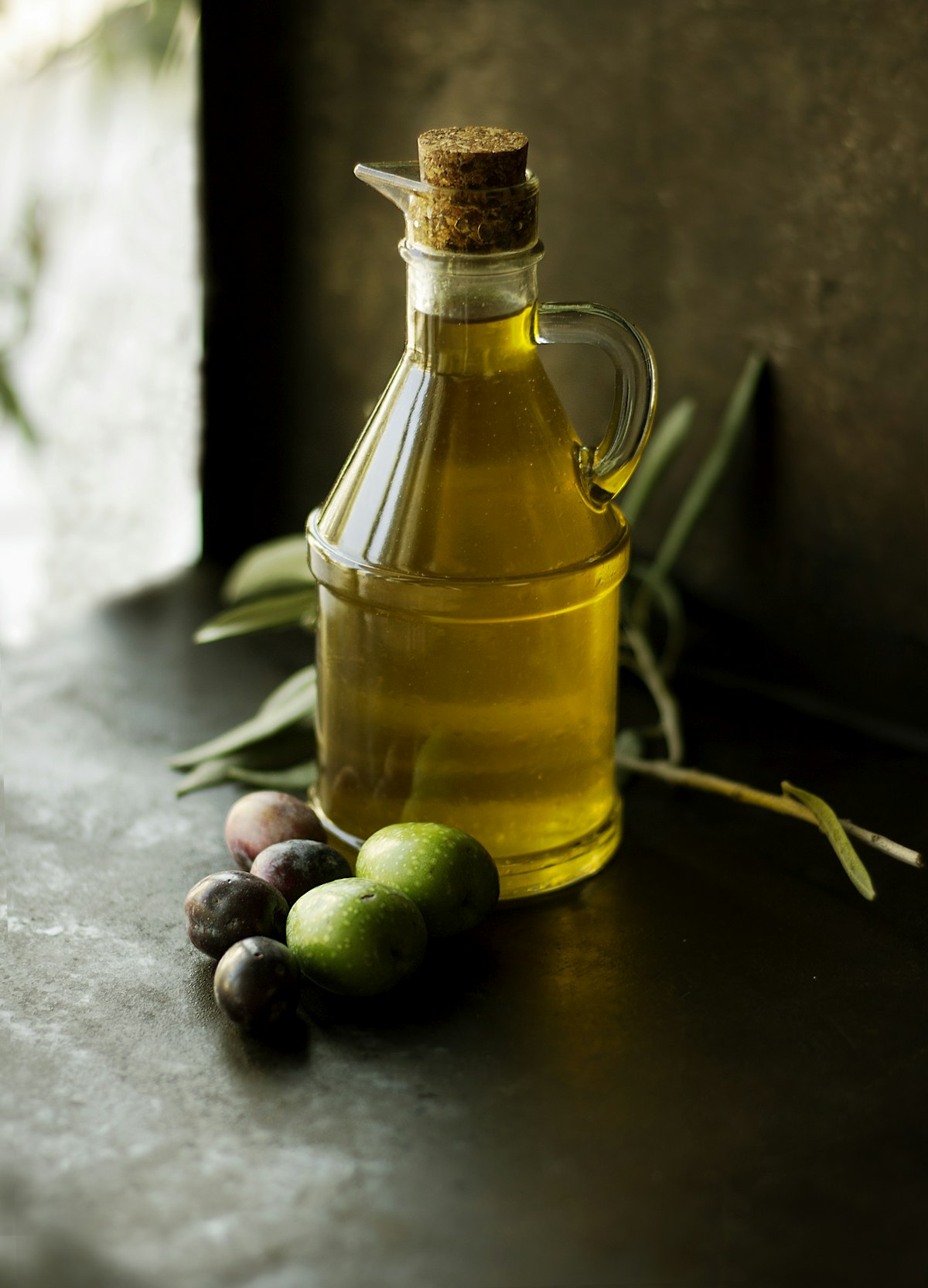
Deep-fat frying represents a continuous, simultaneous high-temperature transient heat and mass transfer operation (160 to 190°C) wherein food items are submerged in hot lipid baths. Instantaneous vaporization of surface cellular water creates a porous sensory crust; concurrently, the frying lipid matrix interfaces continuously with environmental atmospheric oxygen, thermal convection, and migrating food moisture. Under these aggressive thermodynamic stresses, frying oils undergo concurrent hydrolytic, oxidative, and thermal polymerization cascades, generating toxic polar decomposition products.
1. Introduction: Tripartite Chemical Degradation Cascade of Frying Lipids
Frying oil deterioration proceeds through three interconnected degradation mechanisms: (1) Hydrolysis: Moisture vaporizing from the core food hydrolyzes ester bonds of triacylglycerols, liberating free fatty acids (FFA), diacylglycerols, and glycerol, progressively depressing the oil smoke point. (2) Thermal Oxidation: Radical-driven autoxidation attacks bis-allylic methylene carbons in polyunsaturated fatty acids, forming transient lipid hydroperoxides that cleave into volatile cytotoxic aldehydes (hexanal, acrolein, 4-hydroxynonenal / 4-HNE). (3) Thermal Polymerization: Fatty acyl radical propagation forms high-molecular-weight cyclic dimers and polymers, elevating oil dynamic viscosity and accelerating oil uptake in finished food.
2. Technical Analysis: Total Polar Material (TPM), Acrolein Kinetics, and Case Studies
In food quality engineering, the definitive analytical metric of frying oil safety is Total Polar Material (%TPM), quantified via dielectric sensor arrays or column chromatography. Unheated virgin vegetable oils exhibit 2% to 6% TPM; continuous thermal cycling progressively accumulates non-volatile polar degradation products.
Regulatory Boundaries and Toxicology Case Study: European and international food safety directives enforce an empirical maximum regulatory limit of 24% to 25% TPM; frying oils exceeding 25% TPM are legally classified as hazardous and prohibited from culinary contact. Beyond 25% TPM, concentrations of 4-hydroxynonenal (4-HNE) and oxidized sterols surge exponentially; these cytotoxic reactive electrophiles cross intestinal brush borders, covalently modifying biomembranes and vascular endothelial cell receptors. Furthermore, dehydration of liberated glycerol above 180°C generates acrolein—a pungent, pulmonary and lacrymatory toxic gas indicating acute oil breakdown.
| Lipid Matrix / Acyl Architecture | Smoke Point (Fresh Virgin) | Oxidative Stability Index (OSI 120°C) | Deep Frying Engineering Suitability |
|---|---|---|---|
| High-Oleic Sunflower / Safflower | 225°C – 230°C | 16 – 22 hours | Superior (High monounsaturated thermodynamic stability) |
| Extra Virgin Olive Oil (EVOO) | 190°C – 205°C | 25 – 30 hours (Biophenol shield) | Robust (Native biophenols quench propagation radicals) |
| Standard Soybean / Corn Oil | 210°C – 215°C | 6 – 8 hours | Poor (High linoleic PUFA drives rapid%TPM surge) |
| Degraded Oil Matrix (%TPM > 25) | < 160°C (Severely depressed) | 0 hours (Exhausted) | PROHIBITED (Abundant cytotoxic 4-HNE and acrolein) |
3. Conclusion: Engineering Takeaways and Quality Frying Protocols
Preventing chronic toxicological exposure requires adherence to food engineering operating protocols: (1) Avoid repeated reuse of polyunsaturated oils (soybean, standard corn); formulate strictly with high-oleic monounsaturated matrices; (2) Calibrate fryer heating elements to reside strictly between 170°C and 180°C; (3) Continuously filter particulate crumb char following each batch (carbonaceous debris catalytically accelerates thermal auto-oxidation); (4) Discard oils exhibiting foaming, elevated viscosity, or dark smoking; never execute “topping-up” with fresh oil, as residual free radical peroxides instantly degrade the incoming volume.