
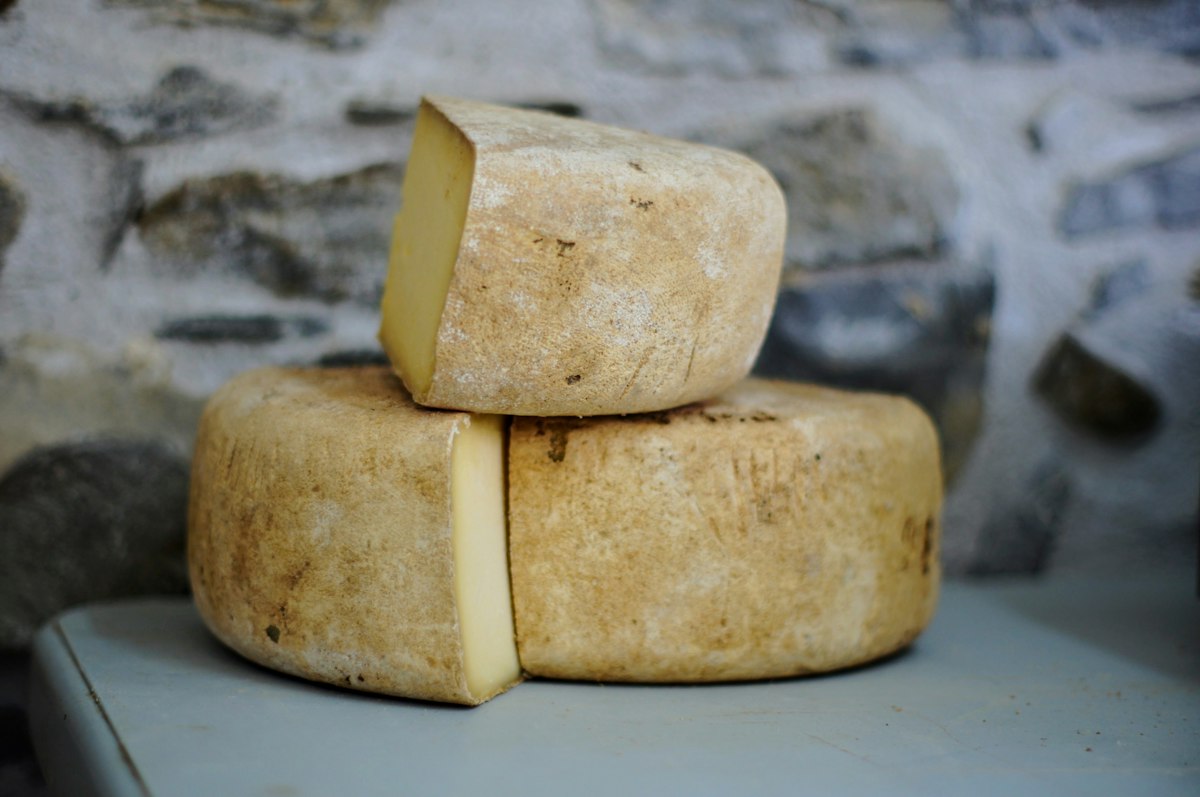
During proteolytic ripening in fermented meats, aged cheeses, wines, and scombroid fish, liberated free amino acids undergo substrate decarboxylation catalyzed by microbial enzymes, synthesizing low-molecular-weight nitrogenous bases termed biogenic amines. While trace levels participate in normal mammalian neurotransmission, acute ingestion of elevated concentrations induces toxicological crises: scombroid fish poisoning (histaminosis) and the hypertensive “cheese reaction” (induced by tyramine displaced catecholamines).
1. Introduction: Decarboxylation Biochemistry and Biogenic Amine Classification
Microbial synthesis of biogenic amines requires three converging variables: (1) Elevated availability of precursor free amino acids resulting from extensive proteolysis; (2) Proliferation of bacterial taxa expressing substrate-specific amino acid decarboxylases; (3) Environmental permissive windows regarding pH, water activity (a_w), and storage temperature. Bacteria utilize pyridoxal 5′-phosphate (PLP)-dependent decarboxylases as an adaptive defense against acid stress, consuming intracellular protons to maintain neutral internal pH while generating a proton motive force coupling amine export to ATP synthesis.
2. Technical Analysis: Histamine and Tyramine Toxicity, Microbial Vectors, and Case Studies
Histidine decarboxylation yields histamine, whereas tyrosine decarboxylation generates tyramine. Healthy human intestinal mucosa utilizes Diamine Oxidase (DAO) and Monoamine Oxidase (MAO) to oxidatively deaminate these compounds. In individuals exhibiting compromised DAO capacity or patients medicated with monoamine oxidase inhibitors (MAOIs), dietary tyramine enters systemic circulation, displacing vesicular norepinephrine and triggering acute intracranial vasospasm and hypertensive crisis.
Marine Cold-Chain and Dairy Ripening Case Study: Dark-muscle pelagic fish (tuna, mackerel) contain high free L-histidine levels. Episodic cold chain failures above +10°C stimulate rapid proliferation of psychrotolerant and mesophilic Morganella morganii and Enterobacter aerogenes, escalating histamine beyond the EFSA regulatory threshold of 200 mg/kg within 12 hours. In artisanal cheesemaking, adventitious Non-Starter Lactic Acid Bacteria (NSLAB; notably Lactobacillus parabuchneri) accumulate tyramine over extended multi-month aging. Engineering solutions require strict inoculation with validated decarboxylase-negative starter cultures (Lactobacillus rhamnosus) and maintaining ripening cellars below 10°C.
| Biogenic Amine | Precursor Amino Acid | Dominant Microbial Producers | High-Risk Food Matrix | Toxicological Limit / Threshold |
|---|---|---|---|---|
| Histamine | L-Histidine | M. morganii, E. aerogenes | Tuna, mackerel, Swiss/Cheddar cheese | Regulatory threshold: 100 – 200 mg/kg; >500 mg/kg toxic |
| Tyramine | L-Tyrosine | L. parabuchneri, Enterococcus faecalis | Aged artisanal cheeses, dry fermented sausages | >100 mg/kg induces hypertensive crises in MAOI patients |
| Putrescine & Cadaverine | Ornithine / L-Lysine | Pseudomonas spp., Enterobacteriaceae | Spoiled meat, poultry, seafood | Putrefaction markers; potentiate histamine toxicity |
3. Conclusion: Engineering Takeaways and Quality Assurance Protocols
Biogenic amines are thermally indestructible small molecules; once synthesized, subsequent pasteurization, commercial retorting, or culinary cooking fails to cleave their structure. Food safety engineering demands preventative control at the source: (1) Immediate post-catch slurry-ice immersion (-1°C) aboard fishing vessels; (2) Implementation of amine-oxidase positive, decarboxylase-negative competitive starter cultures in fermented matrices; (3) Routine screening utilizing reverse-phase HPLC paired with diode-array detection (DAD) to verify raw lot compliance.