
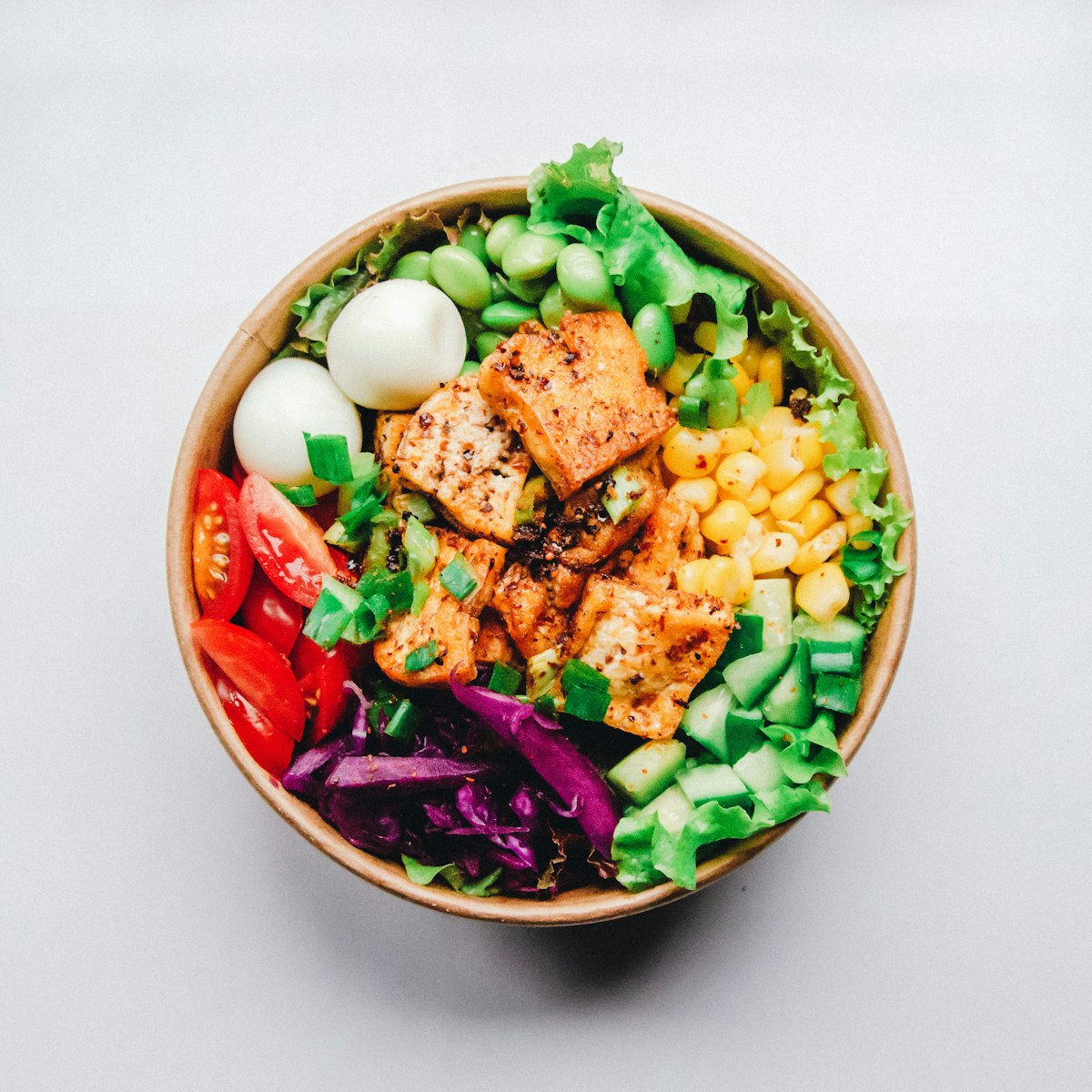
Scaling global dietary protein delivery to sustain an anticipated global population of 10 billion by 2050 solely via legacy livestock husbandry represents a thermodynamic and ecological impossibility across freshwater reserves, arable land boundaries, and greenhouse gas ceilings. Food process engineering addresses this planetary bottleneck across three foundational biotechnological pillars: high-moisture extrusion cooking (HMEC) of structured plant proteins, microalgal photo-bioreactor biomass, and recombinant precision fermentation producing bio-identical cellular nutrients.
1. Introduction: Sustainable Food Engineering and Plant Protein Matrices
Animal skeletal muscle displays an intricately organized morphology of oriented, parallel contractile myofibrils (actin and myosin filaments). Conversely, storage proteins extracted from legumes and oilseeds (soy glycinin/conglycinin, pea vicilin/legumin) adopt globular, water-insoluble folded conformations. The central biomaterial engineering challenge requires thermally denaturing, unfurling, and aligning these globular macromolecules to fabricate an anisotropic, fibrous texture mimicking animal muscle architecture.
2. Technical Analysis: High-Moisture Extrusion (HMEC), Microalgae, and Precision Fermentation
This phase transition is executed inside co-rotating twin-screw food extruders via High-Moisture Extrusion Cooking (HMEC):
Thermomechanical Structuring Kinetics: Hydrated plant protein isolates (50-70% moisture) enter the extruder barrel under temperatures of 140-160°C and pressures exceeding 20-40 bar. High mechanical shear forces denature quaternary and tertiary structures, cleaving intra-chain disulfide bridges. Upon exiting into a continuous long cooling die under laminar plug flow, temperature is rapidly quenched below 80°C. Entangled polypeptide chains align along streamlines, forging new intermolecular disulfide, hydrophobic, and hydrogen cross-links that yield macroscopic anisotropic chewiness and tensile fibrousness (anisotropic index > 1.5).
Microalgae and Precision Fermentation Integration: Arthrospira platensis (Spirulina) and Chlorella vulgaris supply 60% to 70% crude protein alongside bioavailable cobalamin and non-heme iron, yielding tenfold higher protein per hectare than soybean cultivation. Concurrently, precision fermentation deploys genetically engineered yeast hosts (Komagataella phaffii) within closed stirred-tank bioreactors to synthesize bio-identical dairy whey (β -lactoglobulin) or bovine myoglobin utilizing carbohydrate feedstocks without agricultural livestock involvement.
| Protein Matrix Platform | Protein Quality (DIAAS / PDCAAS) | Water Depletion (L / kg Protein) | Carbon Footprint (kg CO_2e / kg) | Technological Maturity |
|---|---|---|---|---|
| Bovine Skeletal Muscle (Conventional) | 1.15 – 1.30 (Complete) | ~15,000 L | ~60 – 100 kg | Legacy Commercial |
| Structured Pea/Soy (HMEC Extrusion) | 0.85 – 0.95 (Robust) | ~1,500 – 2,000 L | ~3 – 5 kg | Industrial Commercial |
| Spirulina Microalgal Biomass | 0.80 – 0.90 (Balanced) | ~800 – 1,200 L | ~1 – 2 kg | Scaling Commercial |
| Precision Fermentation (Recombinant Whey) | 1.10 – 1.25 (Superior) | ~500 – 800 L | ~1 – 3 kg | Pilot / Early Commercial |
3. Conclusion: Engineering Takeaways, Life Cycle Assessment (LCA), and Future Trajectory
Comprehensive Life Cycle Assessment (LCA) demonstrates that alternative protein platforms reduce greenhouse gas emissions by 85% to 95%, arable land occupation by 90%, and freshwater extraction by 95% relative to ruminant livestock. The future sustainable food architecture will integrate precision-fermented dairy proteins, texturized regional pulse matrices, and microalgae bioactives into optimized, clean-label, bioavailable human nutrition.