
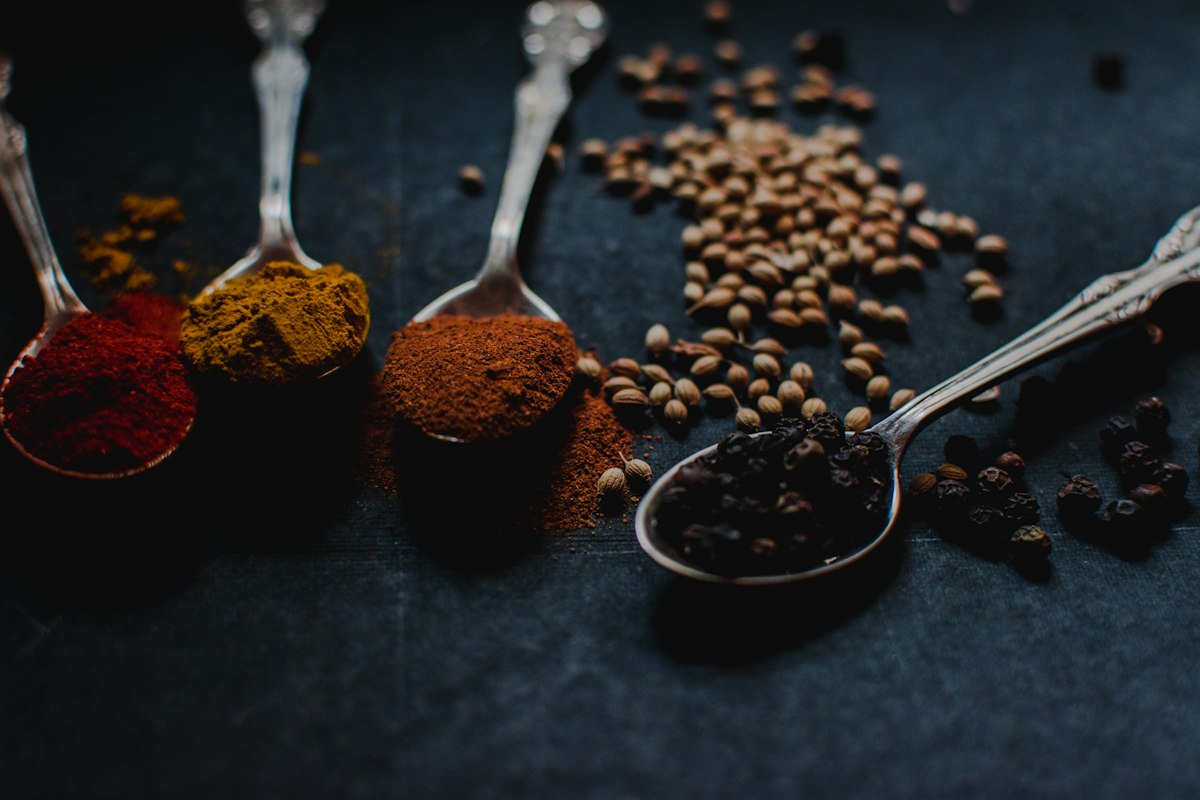
Turmeric (Curcuma longa L.), an herbaceous rhizomatous perennial belonging to the Zingiberaceae family, has evolved from a traditional culinary coloring agent and spice into a focal subject of modern pharmacognosy. The principal phytochemical fraction responsible for its golden pigmentation and biological activity is the curcuminoid complex, comprising diferuloylmethane (curcumin, ~77%), demethoxycurcumin (~17%), and bisdemethoxycurcumin (~3%). Among these polyphenolic compounds, pure curcumin represents the primary bioactive agent driving molecular anti-inflammatory cascades.
1. Introduction: Molecular Signaling: Dual Inhibition of NF-κB and Cyclooxygenase Cascades
Low-grade systemic inflammation serves as the underlying pathophysiology for insulin resistance, vascular endothelial dysfunction, and neurodegenerative decline. At the cellular core, the transcriptional orchestrator of inflammatory genes is Nuclear Factor Kappa B (NF-κB). Under basal conditions, NF-κB is retained inactive in the cytoplasm bound to the inhibitory protein IκBα. Curcumin directly inhibits the upstream IκB kinase (IKK) multi-subunit complex, arresting the phosphorylation-dependent degradation of IκBα.
By impeding nuclear translocation of active NF-κB p50/p65 heterodimers, curcumin suppresses transcriptional induction of pro-inflammatory cytokines (TNF-α, IL-1β, IL-6) and down-regulates inducible enzymes including Cyclooxygenase-2 (COX-2) and Inducible Nitric Oxide Synthase (iNOS). Unlike synthetic NSAIDs, curcumin exerts selective enzymatic modulation without precipitating gastric ulceration or renal hemodynamic impairment.
2. Technical Analysis: The Pharmacokinetic Bioavailability Dilemma
Despite impressive in vitro bioactivity, clinical efficacy is severely constrained by poor oral pharmacokinetics. Possessing an intensely hydrophobic planar polyphenolic structure, native curcumin exhibits aqueous solubility of less than 8 µg/mL at physiological pH. When administered orally, it fails to achieve efficient micellar dispersion within the intestinal aqueous phase, yielding an enterocytic absorption rate below 1%.
Furthermore, the minor fraction absorbed undergoes rapid hepatic and intestinal phase II biotransformation. Cytosolic UDP-glucuronosyltransferases (UGTs) and sulfotransferases rapidly conjugate curcumin into inactive glucuronide and sulfate derivatives, triggering accelerated biliary clearance. Ingestion of raw unformulated turmeric powder consequently fails to generate detectable concentrations of biologically free, unconjugated curcumin in human plasma.
| Formulation Strategy | Pharmacokinetic Mechanism | Bioavailability Amplification | Culinary Engineering Application |
|---|---|---|---|
| Piperine Alkaloid (Black Pepper) | Competitive non-specific inhibition of hepatic and intestinal UGT enzymes | 20-Fold (2000% Increase) | Co-incorporating 1% freshly ground black pepper into warm turmeric formulations |
| Lipid / Micelle Complexation | Solubilization in lipophilic core, channeling uptake via lymphatic chylomicrons | 5 – 8 Fold | Thermal dissolution in extra virgin olive oil, full-fat dairy, or coconut medium-chain triglycerides |
| Phospholipid Complex (Phytosome) | Molecular stoichiometric complexation with phosphatidylcholine | 29-Fold | Specialized delivery systems mimicking biomembrane lipid architecture |
3. Conclusion: Food Science Consumption Protocol
To overcome biological barriers, turmeric should never be consumed as raw powder stirred into water. Optimal culinary preparation dictates dispersing powdered turmeric into a lipid carrier—such as warm extra virgin olive oil—under gentle heat alongside freshly cracked black pepper. This synergistic combination utilizes the lipophilic carrier to promote micelle formation while piperine blocks metabolic glucuronidation, allowing free bioactive curcumin to enter peripheral tissues.