
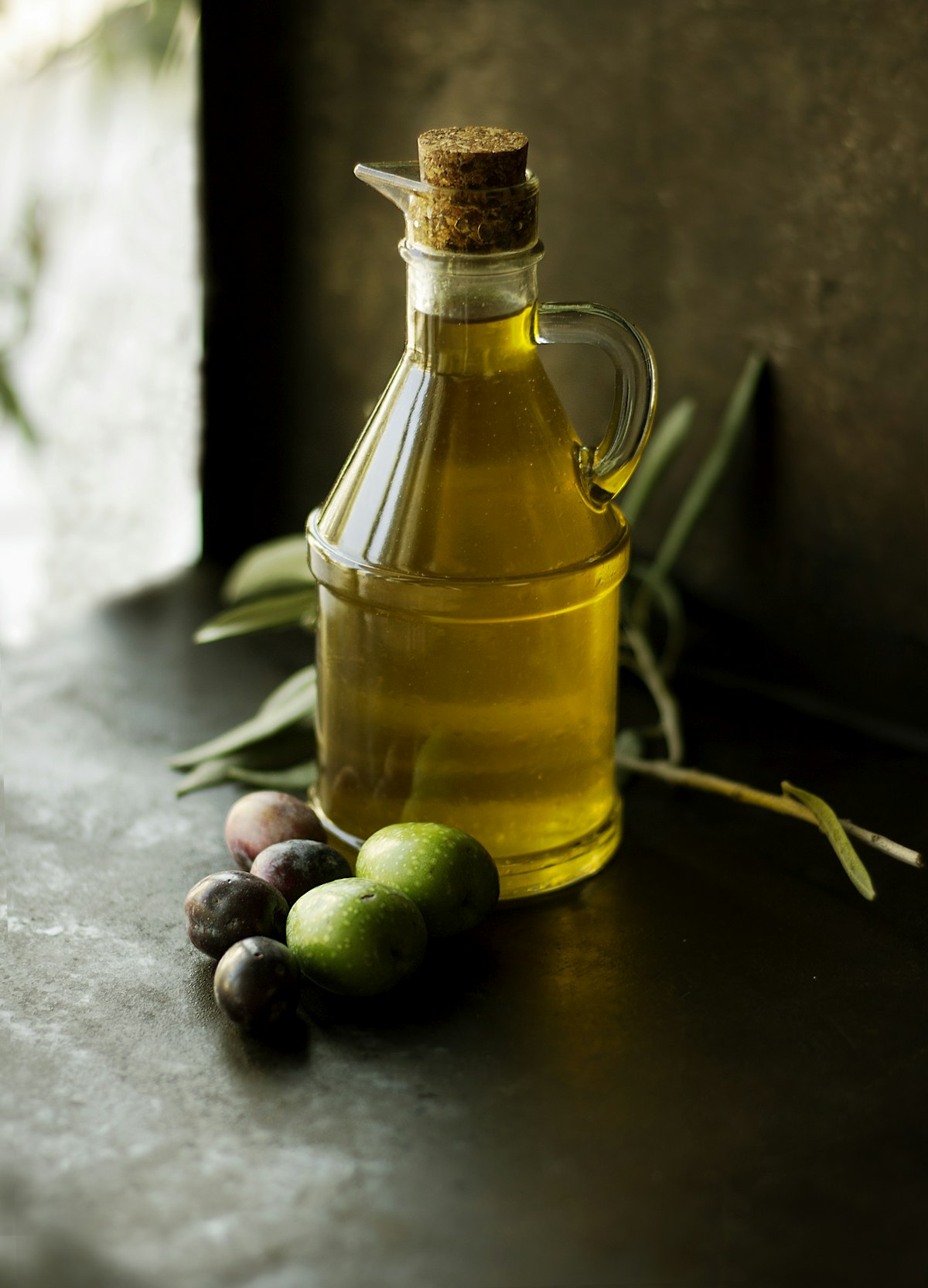
Extra virgin olive oil (EVOO) holds a unique position in lipid biotechnology as the only commercially significant vegetable oil obtained solely by mechanical and physical extraction from fruit pulp, entirely bypassing solvent extraction or chemical refining. While the bulk saponifiable matrix (representing 98–99% of total mass) consists of glycerol esters dominated by cis-oleic acid (C18:1 n-9), the minor unsaponifiable fraction (1–2%) harbors a complex molecular array of over thirty biophenolic species, squalene, phytosterols, and lipophilic tocopherols that govern both oxidative stability and clinical cardioprotection.
1. Introduction: Molecular Taxonomy and Biochemical Targets of Biophenols
The phenolic compounds of Olea europaea L. represent secondary plant defense metabolites categorized into four primary chemical classes:
| Phenolic Compound | Chemical Class | Sensory Marker | Pharmacological Mechanism | Typical Range (mg/kg) |
|---|---|---|---|---|
| Oleocanthal | Secoiridoid Aglycone | Oropharyngeal pungency | Selective COX-1 & COX-2 inhibition; neuroprotective tau fibrillization arrest | 60 – 350 |
| Oleacein | Secoiridoid Aglycone | Bitterness on lateral tongue | Inhibition of LDL apolipoprotein B-100 oxidative modification | 80 – 400 |
| Hydroxytyrosol | Phenolic Alcohol | Neutral / light fruitiness | Direct scavenge of peroxyl radicals; intracellular glutathione synthesis induction | 25 – 150 |
2. Technical Analysis: Thermodynamic Extraction Boundaries: Malaxation Kinetics (T < 27°C)
Following cellular crushing, the continuous mechanical recovery of lipid involves malaxation—a gentle, continuous kneading of olive paste inside horizontal jacketed stainless-steel vats designed to promote droplet coalescence. Regulated under Commission Regulation (EEC) No. 2568/91 and Codex Stan 33-1981, “cold extraction” mandates operating temperatures to remain strictly below 27°C (80.6°F).
Thermal excursions beyond 27°C trigger rapid thermodynamic partitioning of polar hydrophilic phenolics from the lipid phase into the discard aqueous wastewater (vegetation water). Concurrently, endogenous lipoxygenase (LOX) enzymes responsible for volatile C6 green aldehydes (hexanal, trans-2-hexenal) undergo thermal denaturation, while polyphenol oxidases (PPO) and peroxidases (POD) catalyze irreversible oxidative dimerization of biophenols. Optimizing malaxation at 22°C–25°C under an inert nitrogen headspace yields maximal phenolic retention and uncompromised sensory excellence.
3. Conclusion: Auto-Oxidation Mechanics and Rancidity Kinetics
Unsaturated lipid matrices degrade via a classical homolytic free-radical chain reaction involving Initiation, Propagation, and Termination. Endogenous chlorophyll acts as a potent photosensitizer under visible light irradiation, shifting ground-state triplet oxygen (³O₂) into hyper-reactive singlet oxygen (¹O₂), initiating homolytic hydrogen abstraction adjacent to double bonds.
As lipid hydroperoxides (ROOH) undergo cleavage, secondary decomposition products—principally volatile aliphatic aldehydes, ketones, and carboxylic acids (notably hexanal and 2-heptenal)—generate perceptible rancidity defects. Biophenols interrupt this cascade by donating hydrogen atoms to peroxyl radicals, terminating the cycle before hydroperoxide accumulation occurs. To preserve this molecular barrier, EVOO must be stored strictly in light-impervious dark glass or tinplate containers within a temperature window of 14°C to 18°C.
European Food Safety Authority (EFSA Regulation EU 432/2012): “Olive oil polyphenols contribute to the protection of blood lipids from oxidative stress.” To carry this validated claim, the oil must provide at least 5 mg of hydroxytyrosol and its derivatives per 20 g daily serving. This regulatory standard provides consumers with verifiable analytical proof of consuming a medically substantiated functional food.