
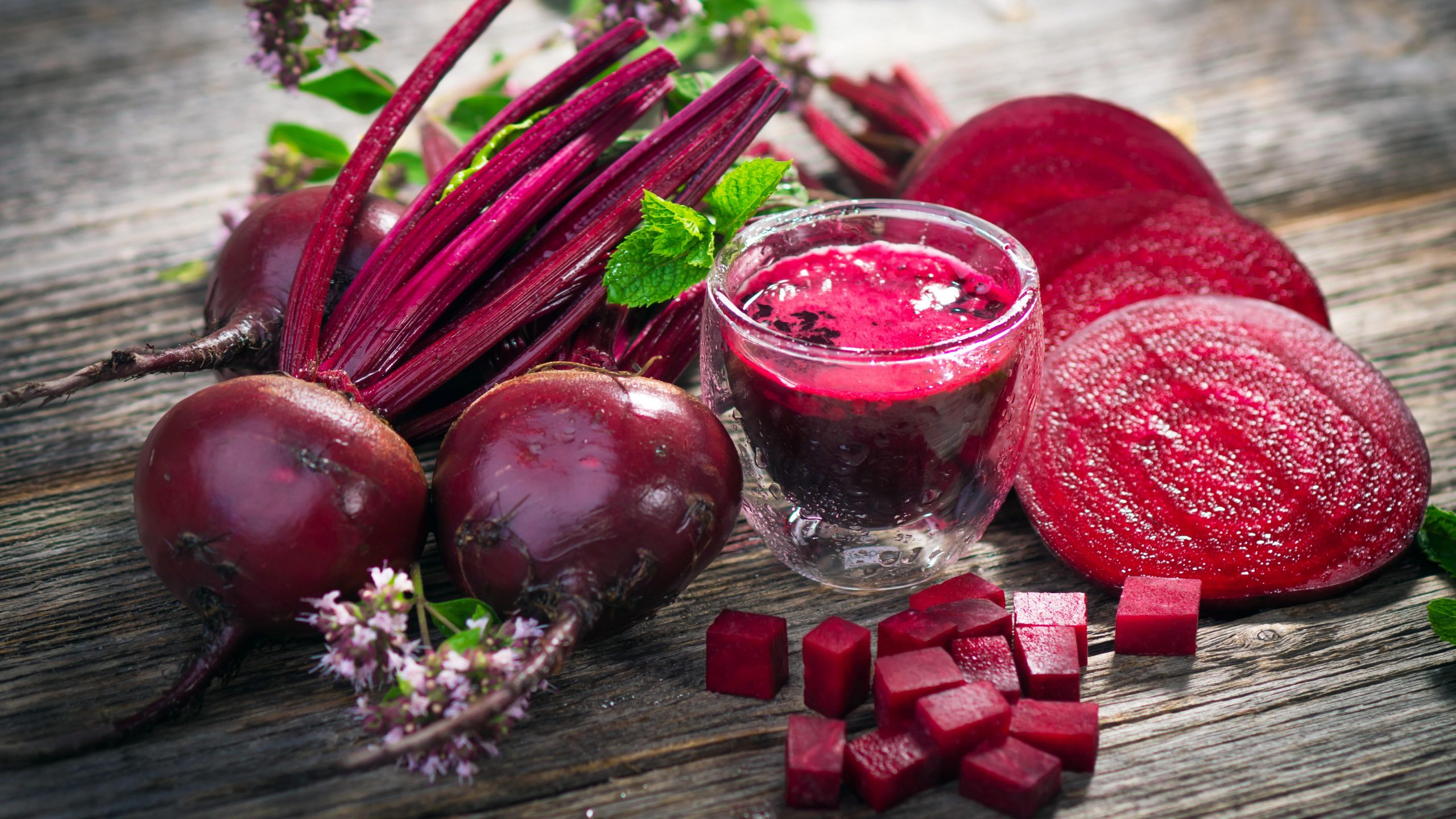
Beta vulgaris L. (red beetroot) occupies a unique niche across food technology and exercise physiology by operating through dual biochemical axes. On one hand, it synthesizes nitrogenous heterocyclic betalain pigments (which replace anthocyanins in the order Caryophyllales as potent free radical quenchers); on the other, it concentrates extraordinary levels of inorganic nitrate (NO₃⁻) directly modulating cardiovascular hemodynamics. From an engineering viewpoint, beetroot represents an optimization challenge: preserving thermally fragile betalains while sustaining nitrate bioaccessibility.
1. Introduction: Root Matrix Architecture, Betalain Chemistry, and Dietary Nitrate
Betalains are water-soluble biocompounds biosynthesized from L-tyrosine via betalamic acid condensation. They diverge into red-violet betacyanins (predominantly betanin, 75-95%) and yellow betaxanthins (vulgaxanthin I). Structurally distinguished from anthocyanins by an internal nitrogen atom, betalains exhibit robust chromatic stability across pH 3.5 to 7.0. However, thermal exposure exceeding 60°C induces rapid nucleophilic degradation, decarboxylation, and isomerization.
2. Technical Analysis: The Enterosalivary Nitrate-Nitrite-Nitric Oxide Cascade and Performance Kinetics
Beetroot exerts profound cardiovascular and metabolic effects via the oxygen-independent enterosalivary nitrate-nitrite-nitric oxide pathway (NO₃⁻ → NO₂⁻ → NO):
Biochemical Flux Dynamics: Ingested dietary nitrate is rapidly absorbed in the upper gastrointestinal tract into systemic circulation. Approximately 25% of circulating nitrate is selectively extracted by salivary gland acinar cells and concentrated tenfold into saliva. Facultative anaerobic bacteria residing in tongue crypts (e.g., Veillonella spp.) utilize bacterial nitrate reductases to reduce salivary NO₃⁻ into nitrite (NO₂⁻). Upon swallowing, acidic gastric juice (pH 1.5-2.0) converts nitrite into nitrous acid and nitric oxide (NO), while absorbed circulating nitrite is converted to vasodilatory NO in hypoxic tissues via deoxyhemoglobin and deoxymyoglobin reduction.
Engineering and Athletic Performance Case Study: Ingesting 500 mL of natural beetroot juice or 70 mL of concentrated beetroot shot (sim 400-500 mg inorganic NO₃⁻) drives plasma nitrite to peak concentration within 2.5 to 3.0 hours. Systemic vasodilation reduces resting systolic arterial pressure by 4 to 8 mmHg while diminishing mitochondrial proton slippage in active muscle fibers, yielding a 3% to 5% improvement in VO_2 oxygen efficiency at submaximal workloads. Critical biophysical caveat: Co-ingestion or mouth washing with antiseptic chlorhexidine rinses sterilizes oral microbial communities, completely abolishing salivary nitrite formation and therapeutic vasodilation.
| Culinary / Industrial Processing | Betanin Degradation (%) | Inorganic Nitrate Retention (%) | Food Engineering Assessment |
|---|---|---|---|
| Cold-Press Extraction | 0% – 5% | 98% – 100% | Maximum bioactivity and nitrate retention; requires cold chain |
| Steam Cooking (10-15 min) | 15% – 25% | 85% – 90% | Cellular matrix softens, pectin hydrates, optimal digestion |
| Aqueous Boiling (45 min) | 50% – 65% | 40% – 50% | Severe leaching into water phase (discarding broth wastes actives) |
| Lactic Fermentation (Pickling) | 10% – 20% | 80% – 85% | Probiotic enrichment; acid conditions preserve betanin core |
3. Conclusion: Engineering Takeaways and Practical Culinary Guidelines
To extract maximum physiological value from red beetroot: (1) In culinary preparation, cooking liquid must never be discarded due to rapid hydrophilic nitrate and betalain leaching; (2) For clinical or ergogenic athletic applications, standardized cold-pressed juice or gentle steaming is superior to aggressive boiling; (3) Ergogenic dosing must precede exertion by precisely 2.5 hours to align with the peak physiological plasma nitrite window.